Commercial Cultivation & Production Systems
Commercial cultivation is fundamentally different from small-scale growing. As operations expand from a handful of plants to thousands, success depends less on individual plant care and more on building repeatable systems that keep every stage of production organized, efficient, and consistent.
At commercial scale, cultivation becomes an operational challenge. Nursery production, irrigation, labor management, environmental conditions, harvest scheduling, drying capacity, compliance, and inventory all become interconnected. When one part of the operation falls behind, every stage that follows is affected.
My experience managing commercial cultivation operations throughout Humboldt County focused on designing systems that allowed facilities to scale without sacrificing plant health, product quality, or operational consistency. From nursery development and IPM programs to harvest planning and post-harvest workflows, every process was designed to support reliable production across licensed commercial facilities.
Why Commercial Cultivation Is Different
A small garden allows a cultivator to closely observe individual plants, respond quickly to changes, and personally manage most daily tasks. Commercial cultivation removes that luxury. Once an operation expands across large greenhouses, multiple production areas, or thousands of plants, no single person can give every plant the same level of individual attention.
At that scale, small problems can spread before they are noticed. Pest pressure, inconsistent irrigation, incorrect nutrient measurements, delayed transplanting, or missed environmental changes can affect hundreds or thousands of plants rather than only a few. Commercial cultivation therefore depends on organized inspections, clear responsibilities, repeatable procedures, and reliable communication between employees and managers.
The goal is not to remove experienced judgment from cultivation. It is to create systems that allow good decisions and proven cultivation practices to be repeated consistently across an entire facility, even when multiple employees, departments, and production cycles are involved.
Systems Create Consistency
Healthy plants are important, but healthy systems are what allow commercial cultivation to remain successful over time. As operations grow, consistency comes from standard operating procedures, employee training, clear expectations, and repeating proven processes rather than relying on individual memory or improvisation.
Whether mixing nutrients, scouting for pests, irrigating crops, transplanting nursery stock, or preparing for harvest, every employee should be following the same established process. Consistency reduces mistakes, improves communication, and allows managers to identify problems before they become costly production issues.
Innovation certainly has its place, but commercial facilities benefit most when new ideas are tested carefully before being implemented across an entire operation. Small-scale trials allow growers to evaluate new genetics, cultivation techniques, or production methods without risking an entire production cycle. Once proven, successful improvements can be incorporated into existing systems with confidence.
Planning Before Problems Exist
Successful commercial cultivation begins long before the first plants enter production. Facilities that consistently produce quality results are usually the ones that have already completed the work that customers never see—building infrastructure, preparing irrigation systems, organizing nursery production, staging supplies, training employees, and planning every major production cycle in advance.
Waiting until plants arrive to begin preparing containers, irrigation equipment, drying facilities, or seasonal infrastructure almost always creates delays that affect the rest of the production cycle. Every setback compounds into the next stage, making it increasingly difficult for an operation to stay on schedule and maintain consistent quality.
Commercial cultivation rewards preparation. Whether coordinating nursery schedules, planning harvest windows, or ensuring drying capacity is available before plants reach maturity, proactive planning allows operations to remain efficient while reducing unnecessary stress on both employees and the cultivation program.
Production Doesn’t Stop at Harvest
One of the most overlooked aspects of commercial cultivation is what happens after plants are harvested. Producing exceptional flower in the field is only one part of the production process. Drying capacity, environmental control, harvest scheduling, labor availability, and post-harvest workflows ultimately determine whether that quality is preserved or lost.
Commercial facilities should never view drying rooms as an afterthought. Harvest schedules need to be planned around available drying capacity, environmental conditions, and the resources required to properly process each production cycle. When drying space becomes a bottleneck, operators are often forced into difficult decisions that can compromise quality, delay harvest timing, and create unnecessary operational pressure.
Some of the most impressive cultivation facilities I’ve worked with produced outstanding flower in the greenhouse, only to encounter preventable challenges because post-harvest infrastructure wasn’t fully prepared. Successful operations recognize that harvest, drying, curing, and inventory movement are all part of the same production system, and each stage deserves the same level of planning and attention as cultivation itself.
“Growing exceptional flower is only half the job. Building the systems to preserve that quality through harvest, drying, and post-harvest is what separates successful commercial operations.”
Cultivation Gallery
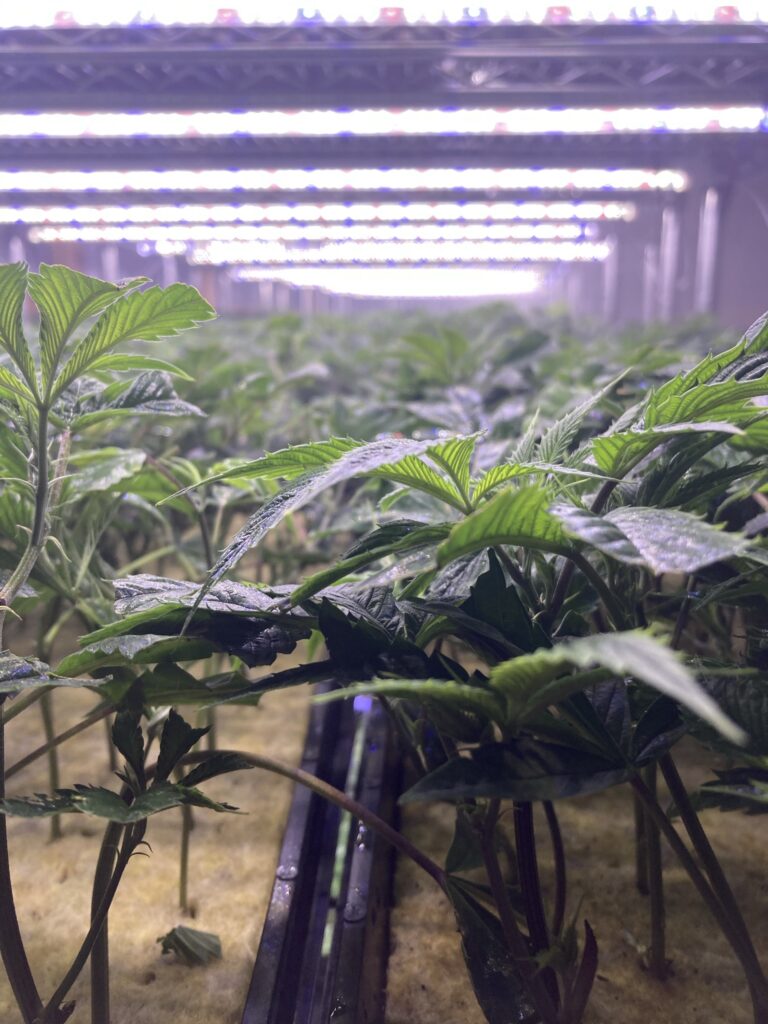
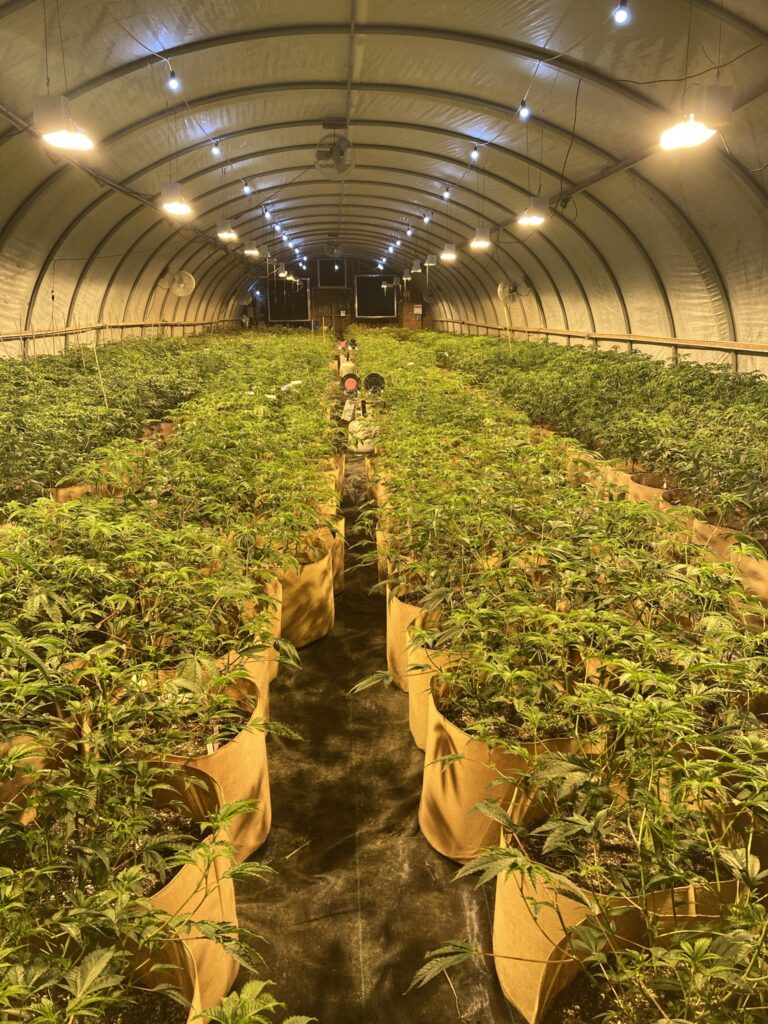
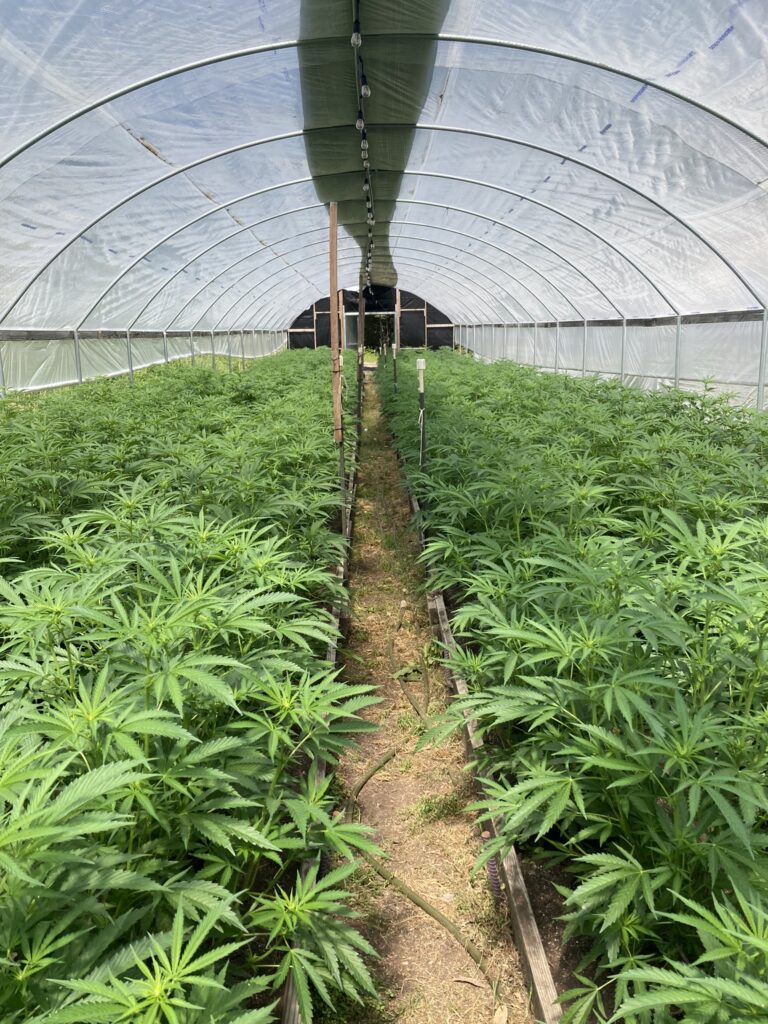
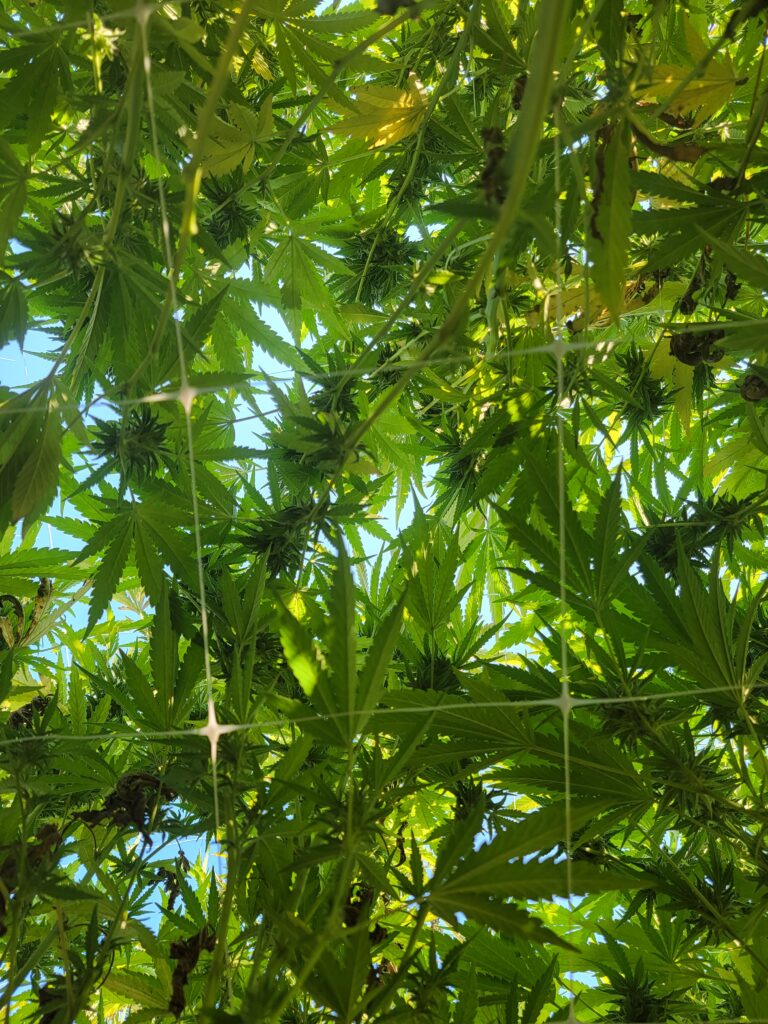
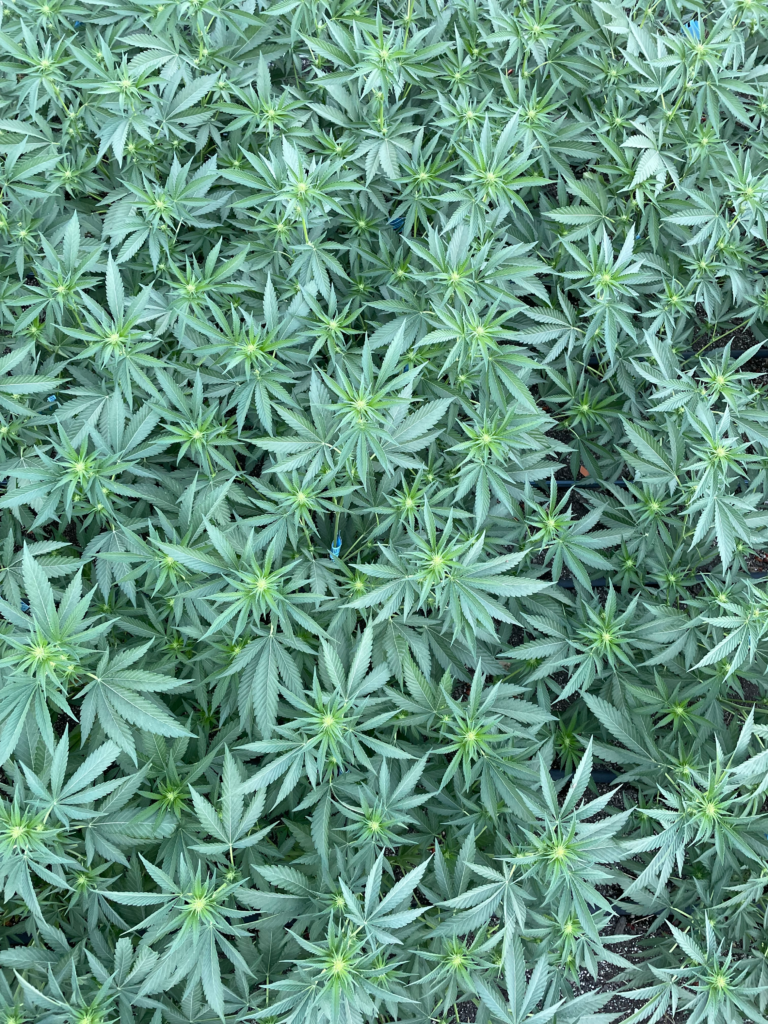
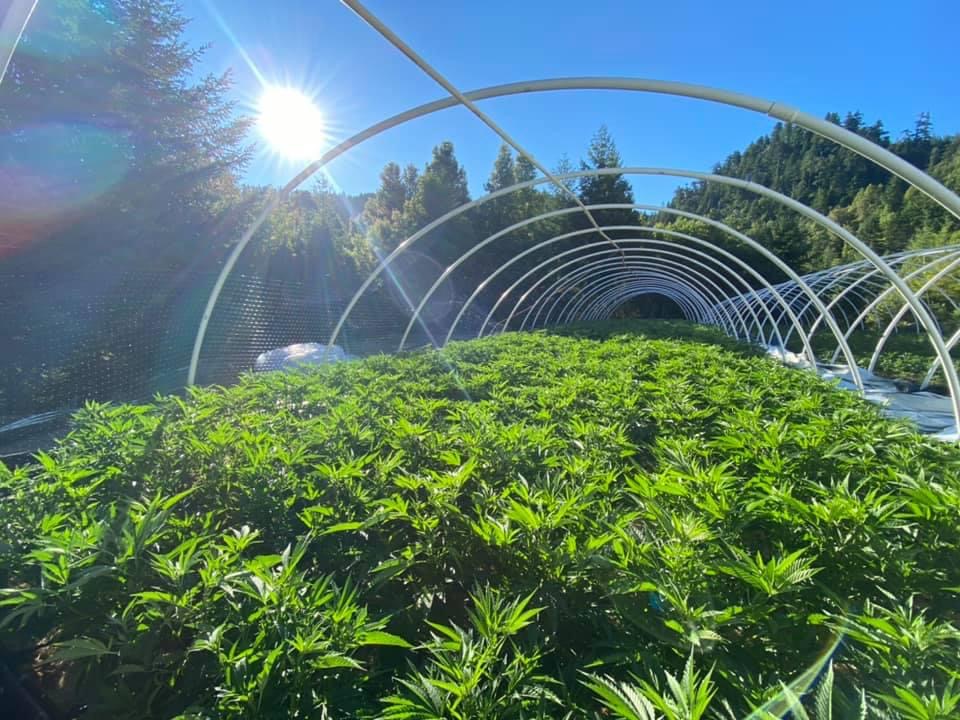
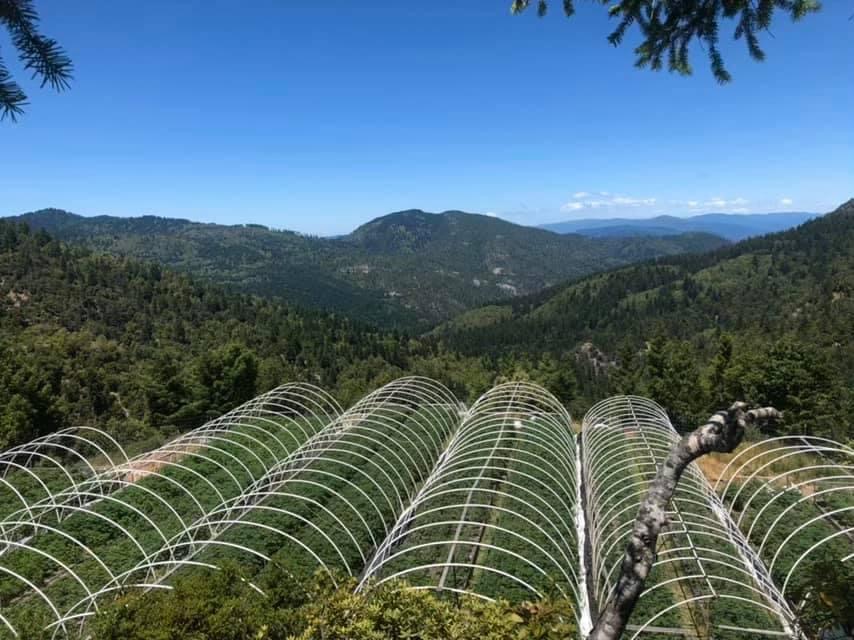
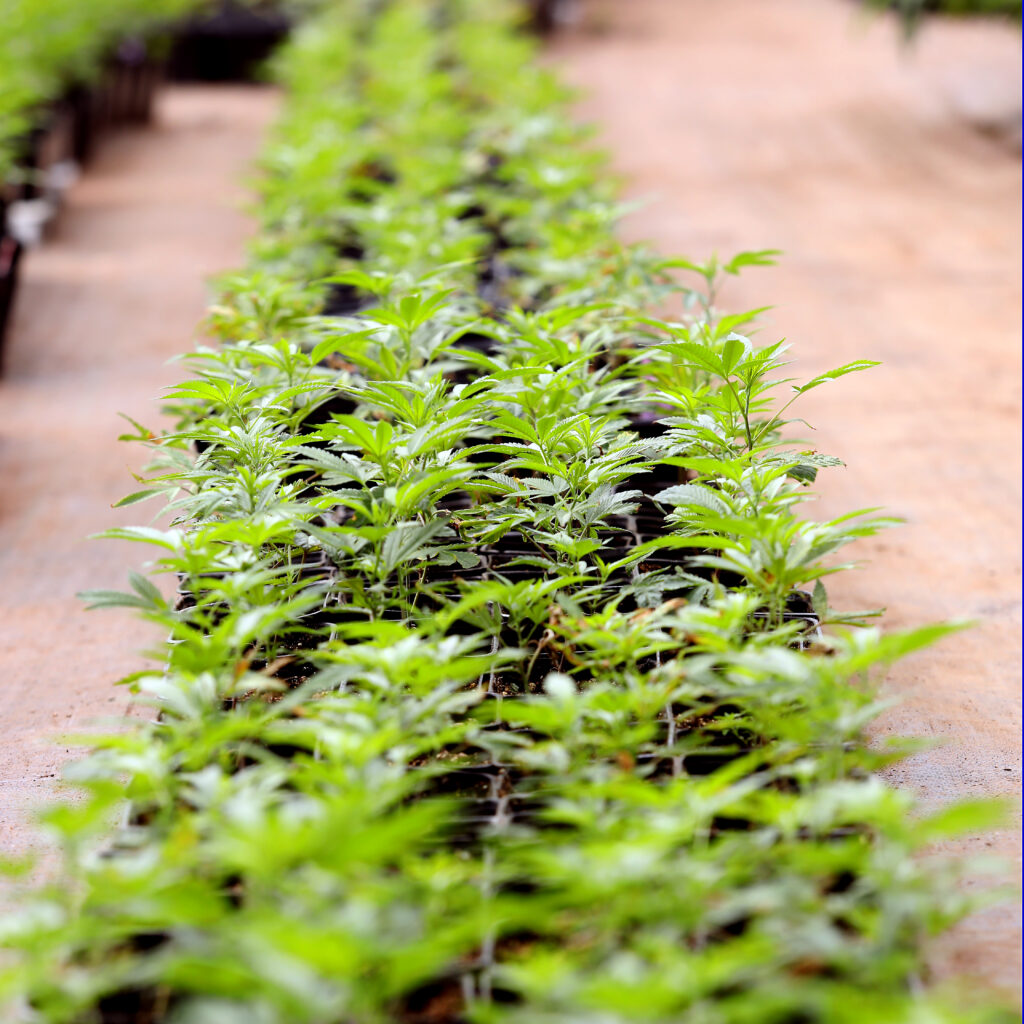
Additional cultivation photographs and project documentation are available upon request. The images shown throughout this page represent actual cultivation facilities, nursery systems, plant production environments, and operational workflows documented during active cannabis production.
How I Evaluate Commercial Cultivation Operations
Every cultivation facility is different, but the same operational principles apply whether an operation is producing a few thousand plants or managing multiple commercial production areas. When evaluating a cultivation program, I focus on identifying bottlenecks, improving consistency, and strengthening the systems that support long-term success rather than looking at any single department in isolation.
Product Quality & Market Position
The first question is simple: Is the operation producing flower that meets current market demand? Product quality, consistency, harvest timing, and cultivar selection all influence long-term profitability. Understanding what the operation produces today provides the foundation for every other recommendation.
Production Systems
I evaluate how nursery production, irrigation, environmental management, IPM, labor, harvest, drying, and inventory movement work together. Strong commercial facilities operate as connected systems where each department supports the next rather than functioning independently.
Infrastructure & Readiness
Many production challenges begin long before they become visible in the crop. Infrastructure readiness, equipment capacity, drying facilities, irrigation systems, workflow organization, and seasonal preparation all determine whether an operation can execute its production plan without unnecessary delays.
Labor & Workflow Efficiency
Employees perform best when expectations are clear, responsibilities are defined, and proven systems are consistently followed. Efficient workflows reduce unnecessary labor, improve communication, and allow management to focus on solving problems before they affect production.
Preparing for the Next Production Cycle
One of the final areas I evaluate is whether the operation is already preparing for what comes next. Commercial cultivation is continuous, and successful facilities are often planning the next production cycle while the current one is still underway. This forward-looking approach helps maintain consistency, reduce downtime, and support sustainable long-term growth.
Related Case Studies
These projects demonstrate many of the cultivation systems, operational planning, infrastructure development, and production workflows discussed throughout this page.
- 4 Acre Mill Site Development – Converting a vacant industrial property into a licensed commercial cultivation facility with greenhouse infrastructure, nursery systems, and operational workflows.
- Remote Mountain Cannabis Operations – Managing remote off-grid cultivation facilities while balancing production, environmental challenges, staffing, compliance, and logistics.
Related Articles
Additional articles covering commercial cultivation, production planning, operational systems, and facility management are currently being added to the Secund Look Knowledge Base.
Frequently Asked Questions
Can you evaluate an existing cultivation facility?
Yes. Operational assessments can identify production bottlenecks, workflow inefficiencies, infrastructure limitations, labor challenges, and opportunities to improve consistency throughout the cultivation process.
Do you help improve production efficiency?
Yes. I work with operators to improve cultivation workflows, employee organization, nursery production, harvest planning, post-harvest operations, and the systems that support long-term commercial success.
Can you help prepare for expansion?
Yes. Expansion requires more than additional canopy space. Successful growth depends on infrastructure planning, production scheduling, labor organization, nursery capacity, compliance, and operational systems that can scale efficiently.
Do you consult outside California?
Yes. While my hands-on experience was developed within California’s regulated cannabis industry, the operational systems, production planning, workflow development, and cultivation management principles discussed throughout this website are applicable to commercial cultivation facilities throughout regulated markets.
Build Stronger Cultivation Systems
Successful commercial cultivation depends on more than producing healthy plants. It requires operational planning, organized production systems, experienced leadership, and a commitment to continuous improvement across every stage of cultivation.
Whether you’re developing a new cultivation facility, improving an existing operation, or preparing to scale production, Secund Look provides practical operational guidance informed by years of hands-on commercial cultivation and licensed cannabis operations management.