Operating licensed commercial cannabis farms at elevations ranging from 2,500 to over 4,000 feet presented challenges that extended far beyond cultivation. From seasonal road closures and wildfire preparedness to water infrastructure, wildlife pressure, employee logistics, environmental compliance, and remote operations management, every decision required careful planning and adaptability.
Remote mountain cultivation is not just about growing plants. It is about building systems that continue working when access, weather, water, power, labor, and equipment all become harder to manage.
Managing Commercial Cultivation in California’s Most Challenging Environments
| Project Detail | Value |
|---|---|
| Location | Humboldt County, California |
| Elevation | 2,500–4,200 feet |
| Access | Remote forestry and logging roads |
| Power | Off-grid generators and solar support |
| Water | Single-well systems and storage infrastructure |
| Operations | Multiple remote cultivation sites |
| Primary Role | Operations Management & Compliance |
| Major Risks | Wildfire, wildlife, weather, logistics, access, and water |
Operating in True Remote Environments
Operating in True Remote Environments
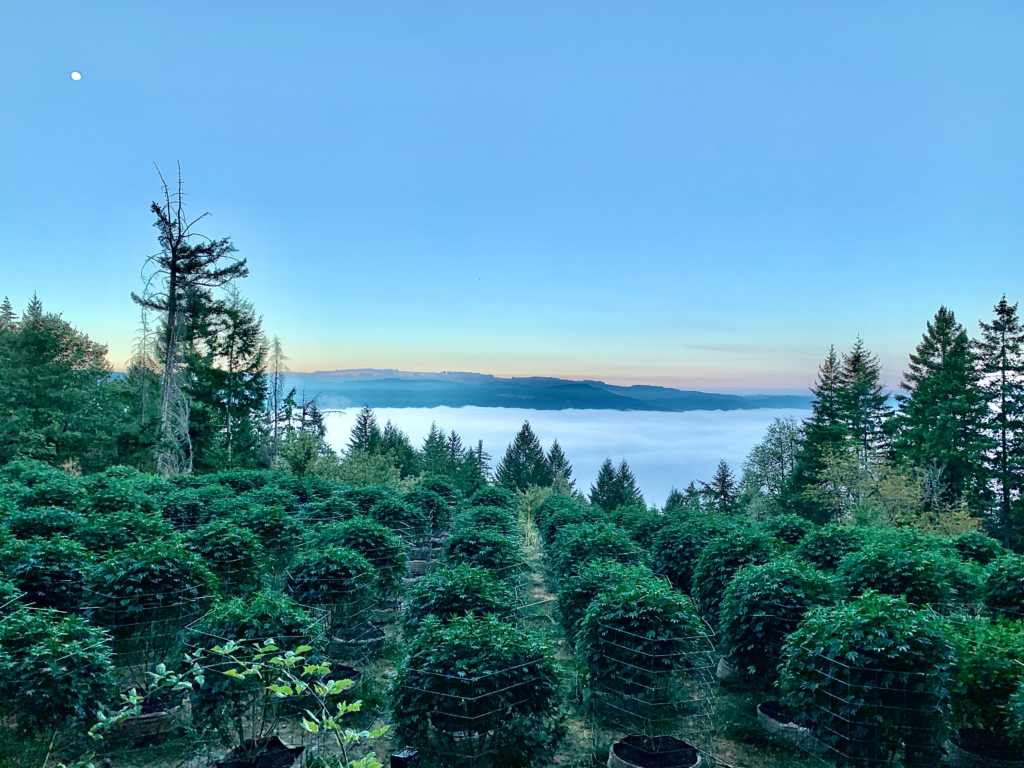
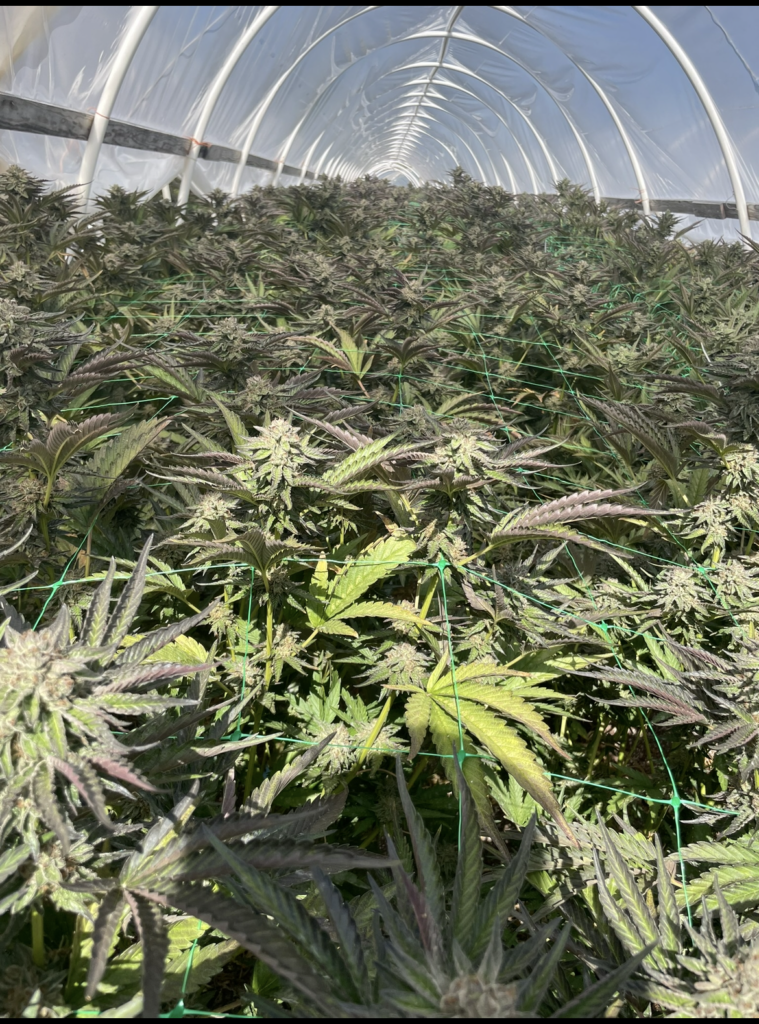
Operating cannabis farms in Humboldt County’s remote mountains required a completely different approach than managing cultivation in more accessible agricultural regions.
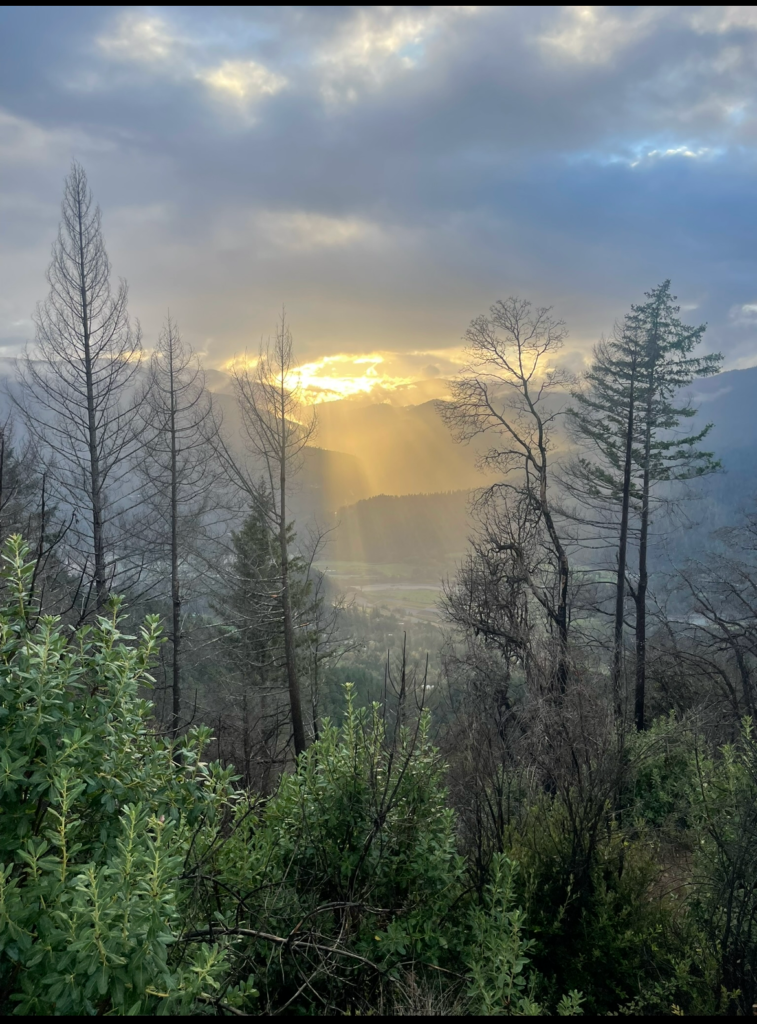
Our cultivation sites ranged from approximately 2,500 feet to over 4,200 feet in elevation. At our highest elevation property, winter snow regularly prevented access until May, making seasonal planning absolutely critical. Every project had to be carefully scheduled around weather, road conditions, and the limited construction window available each year.
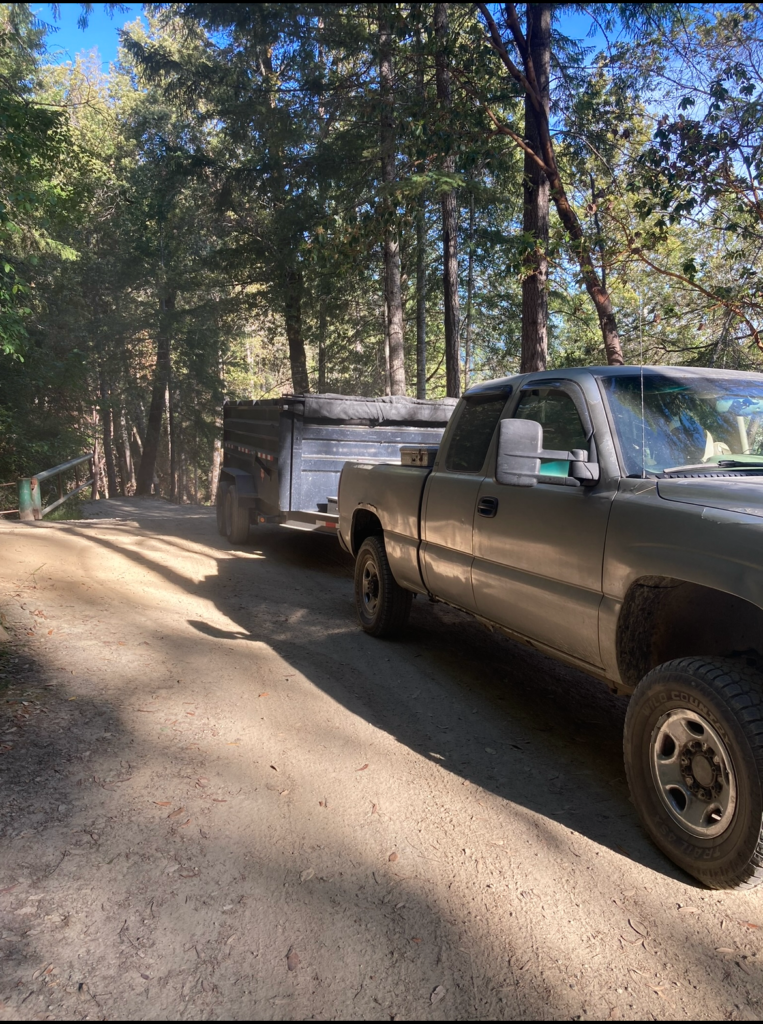
Although some farms were only a few miles from town “as the crow flies,” reaching them often required long drives along steep forestry and logging roads. A simple supply trip that might take thirty minutes in town could easily become a multi-hour commitment once travel time, loading, and the return trip were considered.
Working in these environments quickly teaches an important lesson: every unnecessary trip costs time, fuel, equipment wear, and labor. Successful remote operations depend on planning ahead, keeping adequate supplies on site, and anticipating problems before they occur.
“Everything becomes a trip.”
That simple reality shaped nearly every operational decision we made on remote cultivation sites.
Related Articles
- Lessons Learned Managing Wildlife on Remote Cannabis Farms
- Preparing for Cannabis Compliance Inspections
- How We Saved a Cannabis Farm During an Active Wildfire
Logistics Become the Job
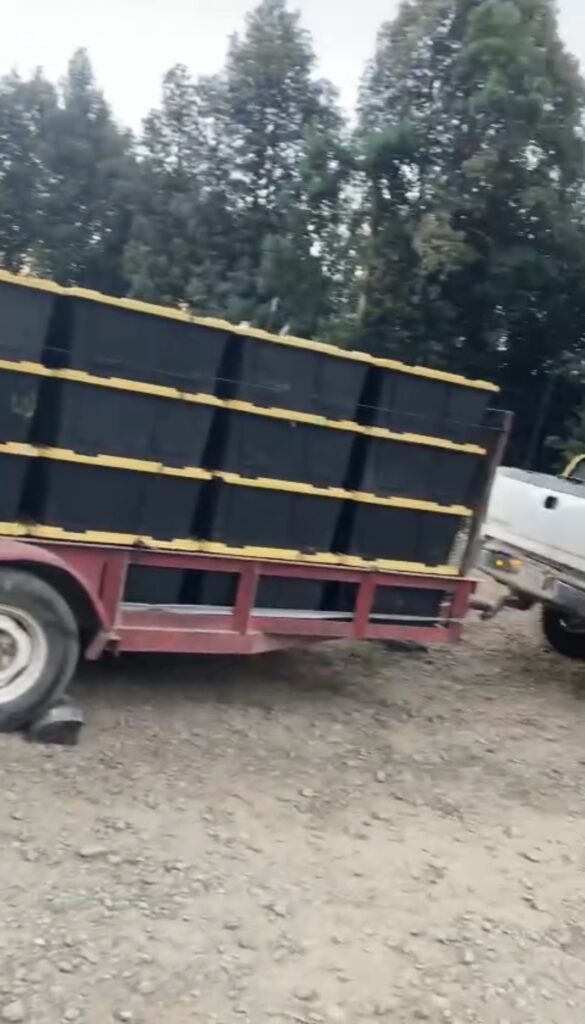
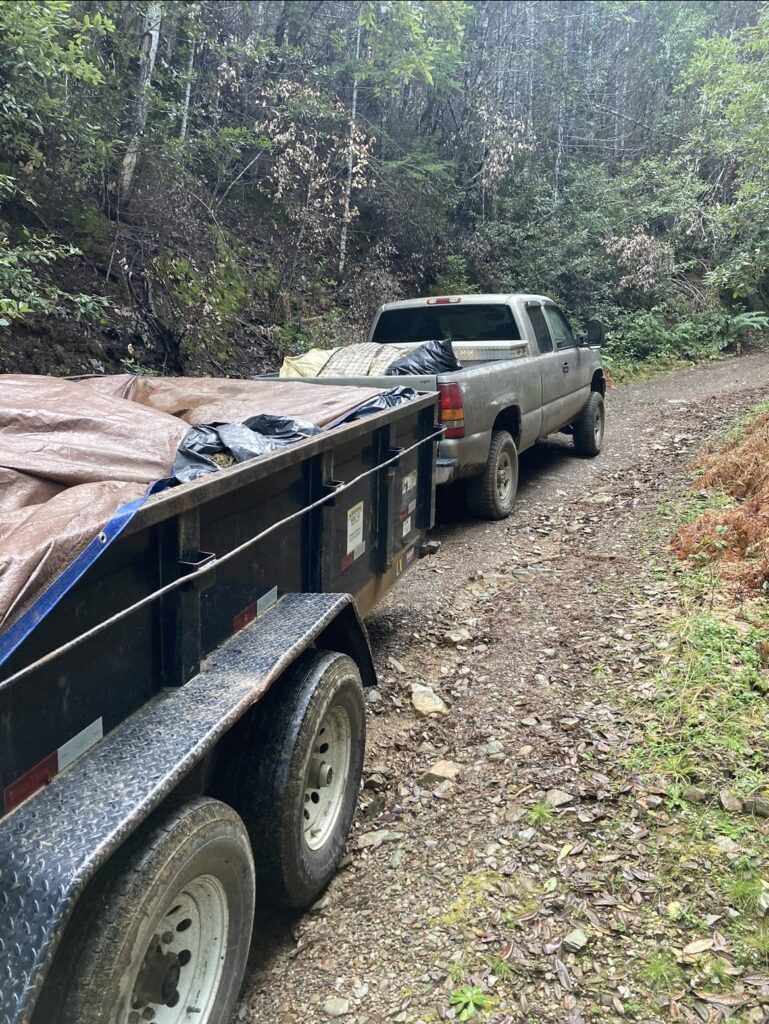
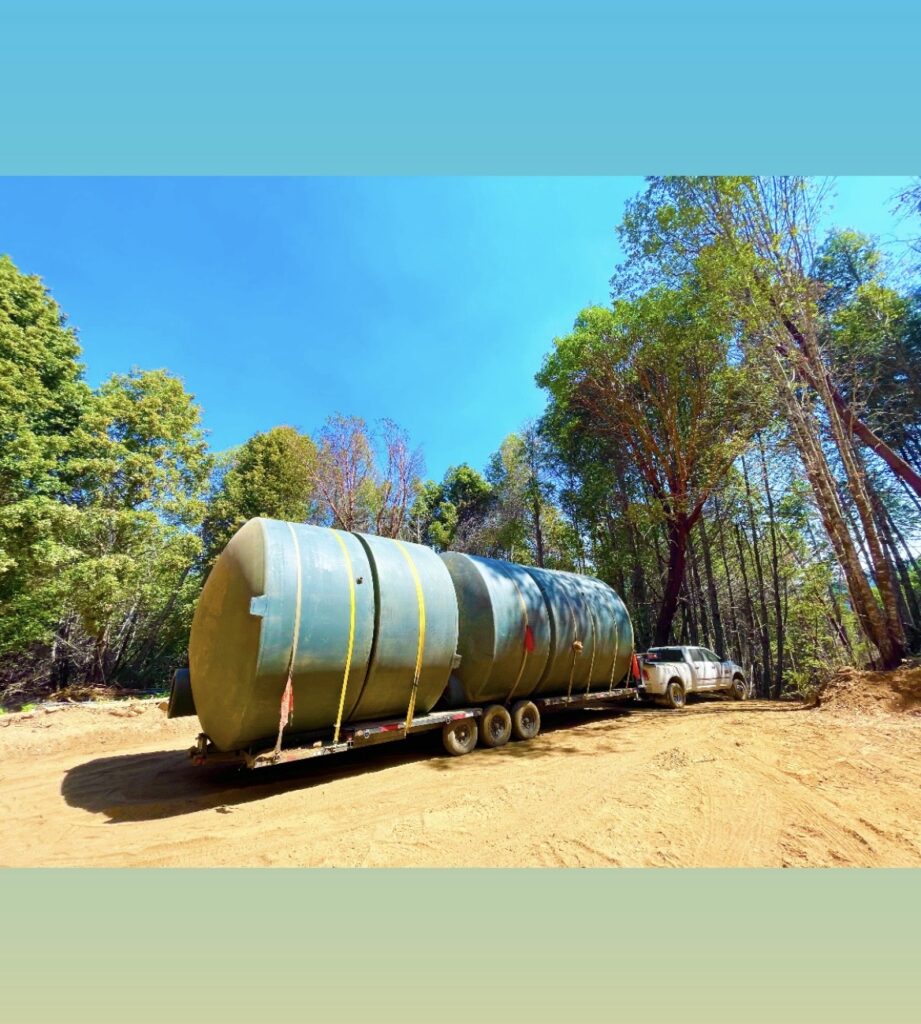
One of the biggest misconceptions about remote cultivation is that the primary challenge is growing cannabis. In reality, logistics often become the largest part of the job.
Every piece of equipment, irrigation fitting, pallet of soil, fuel delivery, fertilizer, and cultivation supply had to travel miles along steep mountain roads before work could even begin. A forgotten tool or damaged fitting could easily turn into several hours of lost productivity because replacing it meant leaving the mountain and making the trip back to town.
As operations expanded, planning became essential. Deliveries were coordinated in bulk whenever possible, critical spare parts were kept on site, and maintenance schedules were designed to prevent equipment failures during the busiest parts of the season.
The same planning applied to harvest. Transportation routes, employee schedules, equipment staging, and supply inventories all had to be organized well in advance. Every unnecessary trip increased labor costs, fuel consumption, vehicle wear, and lost production time.
Remote cultivation teaches you to think several steps ahead. Success is rarely determined by how quickly you can solve a problem—it is determined by how effectively you prevent the problem from occurring in the first place.
Preparation wasn’t optional.
When the nearest hardware store is over an hour away, every forgotten fitting, broken tool, or missing supply becomes an operational problem.
Operational Lessons
- Maintain critical spare parts on-site.
- Coordinate deliveries to reduce unnecessary travel.
- Schedule preventative maintenance before peak season.
- Build redundancy into equipment and infrastructure whenever possible.
- Plan operations around weather, road conditions, and harvest timing.
Related Reading
Water, Power & Infrastructure
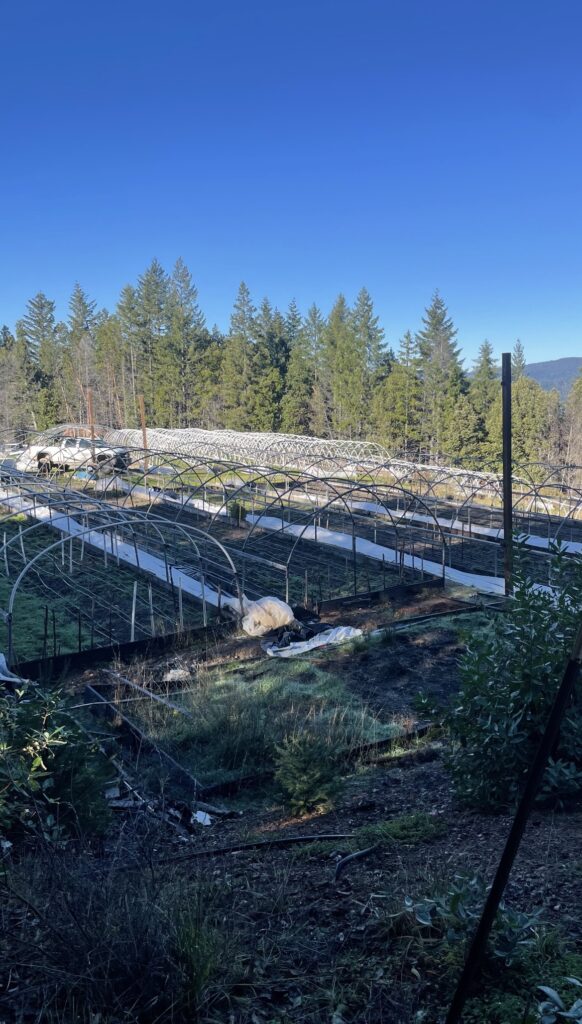
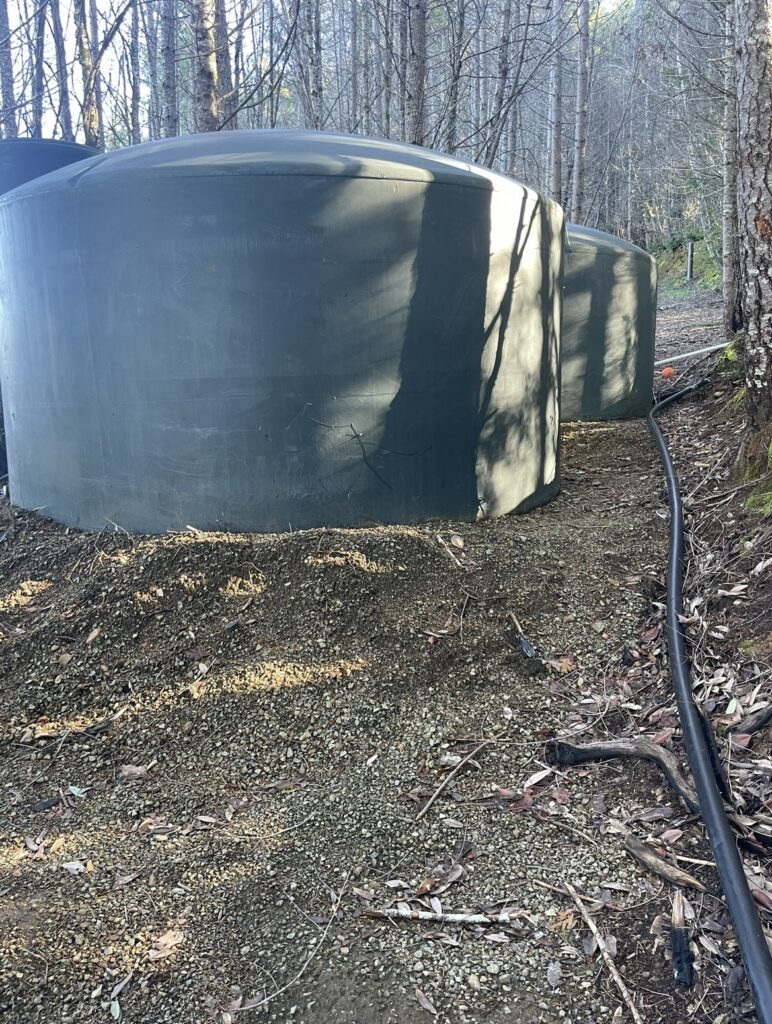
Reliable infrastructure is what allows remote cultivation sites to operate successfully. Unlike traditional agricultural facilities with access to municipal utilities, every essential service had to be designed, built, maintained, and monitored on-site.
Each cultivation site relied on independent water systems supplied by private wells, large storage tanks, and carefully planned distribution networks. Water management became especially critical during California’s dry summer months, when demand increased while natural water availability declined.
Power presented another constant challenge. Irrigation systems, pumps, environmental controls, security equipment, drying facilities, and nursery operations all depended on dependable electrical service. Backup generators were not optional—they were essential pieces of operational infrastructure that ensured critical systems continued operating during outages or emergencies.
Because replacement parts were not readily available, preventative maintenance became just as important as installation. Pumps, generators, plumbing components, irrigation fittings, and electrical systems were routinely inspected before problems developed, reducing costly downtime during the busiest parts of the growing season.
Remote cultivation quickly teaches that successful infrastructure is often invisible. When systems are properly designed and maintained, operations continue uninterrupted, allowing the cultivation team to focus on producing healthy plants rather than constantly responding to equipment failures.
| Infrastructure | Purpose |
|---|---|
| Private Wells | Primary water source |
| Water Storage Tanks | Irrigation reserve and drought planning |
| Backup Generators | Maintain critical operations during outages |
| Irrigation Systems | Daily cultivation support |
| Preventative Maintenance | Reduce equipment downtime |
“In remote cultivation, infrastructure isn’t a convenience—it is the foundation that makes every other part of the operation possible.”
People, Leadership & Daily Operations
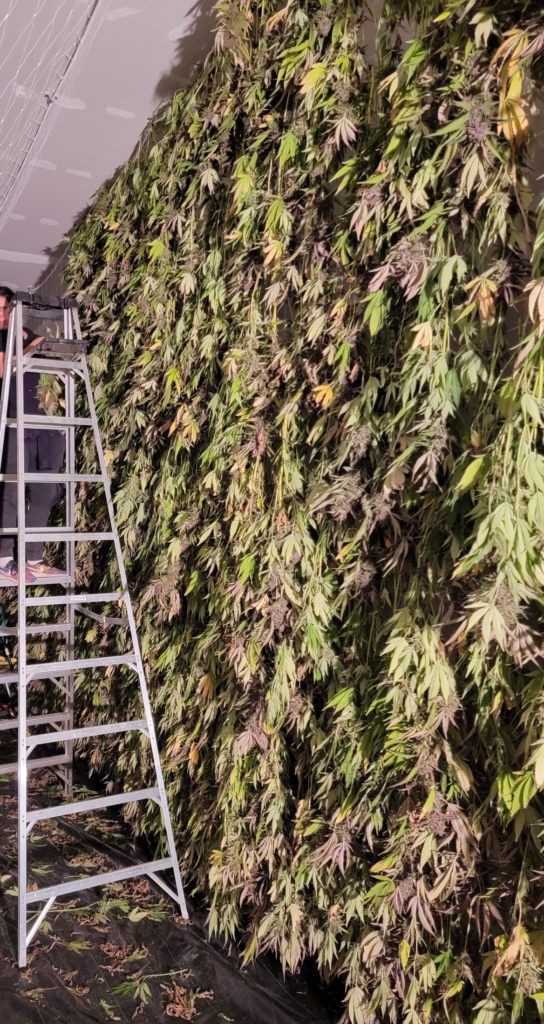
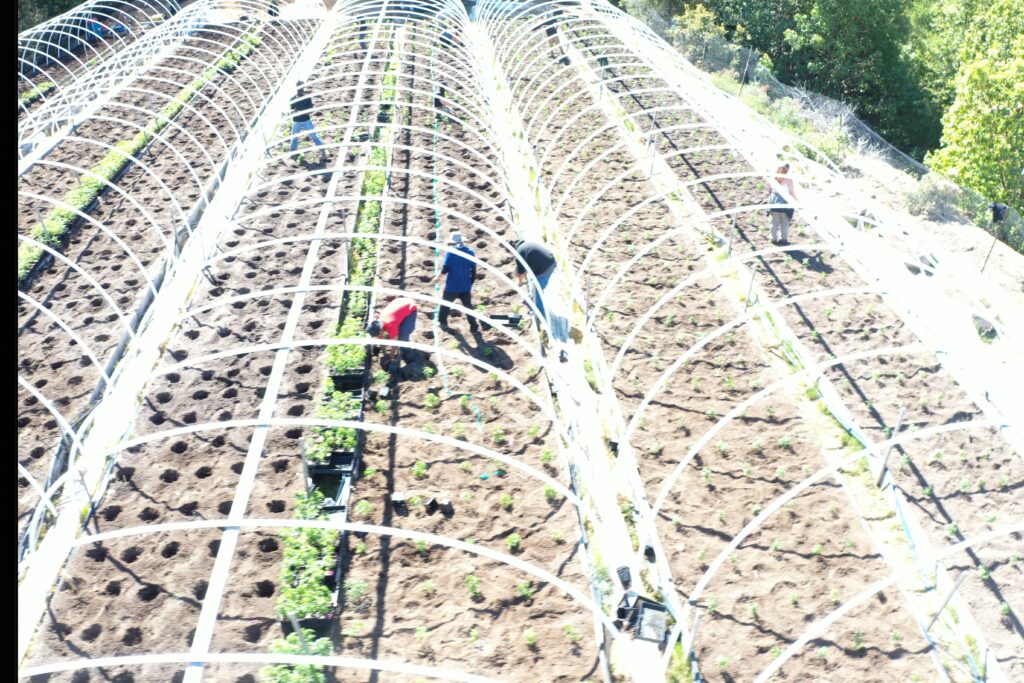
Remote cultivation presents unique challenges that extend well beyond infrastructure and logistics. Successfully operating these farms depended on building reliable teams, maintaining clear communication, and creating systems that allowed employees to work safely and efficiently in isolated environments.
Unlike operations located near town, remote farms required employees to travel long distances each day, navigate steep mountain roads, and often work in changing weather conditions. Careful scheduling became essential to maximize productivity while minimizing unnecessary travel and downtime.
Training also played a significant role. Employees needed to understand not only cultivation practices, but also safety procedures, equipment operation, environmental responsibilities, and emergency response protocols. Every member of the team became an important part of maintaining the operation’s overall efficiency.
One of the biggest lessons learned from managing remote cultivation sites was that consistency creates success. Clearly defined responsibilities, organized workflows, and open communication allowed the team to solve problems quickly while maintaining high production standards throughout the season.
Ultimately, successful remote cultivation depends as much on leadership and planning as it does on horticultural knowledge. Well-organized teams consistently outperform operations that rely solely on technical cultivation skills.
Leadership Highlights
Leadership Responsibilities
- Daily crew scheduling
- Employee training and mentorship
- Safety meetings
- Equipment coordination
- Harvest planning
- Task delegation
- Operational problem solving
- Communication across multiple cultivation sites
“A successful cultivation operation is built on systems and people. Healthy plants are simply the result of both working together.”
Environmental Stewardship, Wildlife & Emergency Preparedness
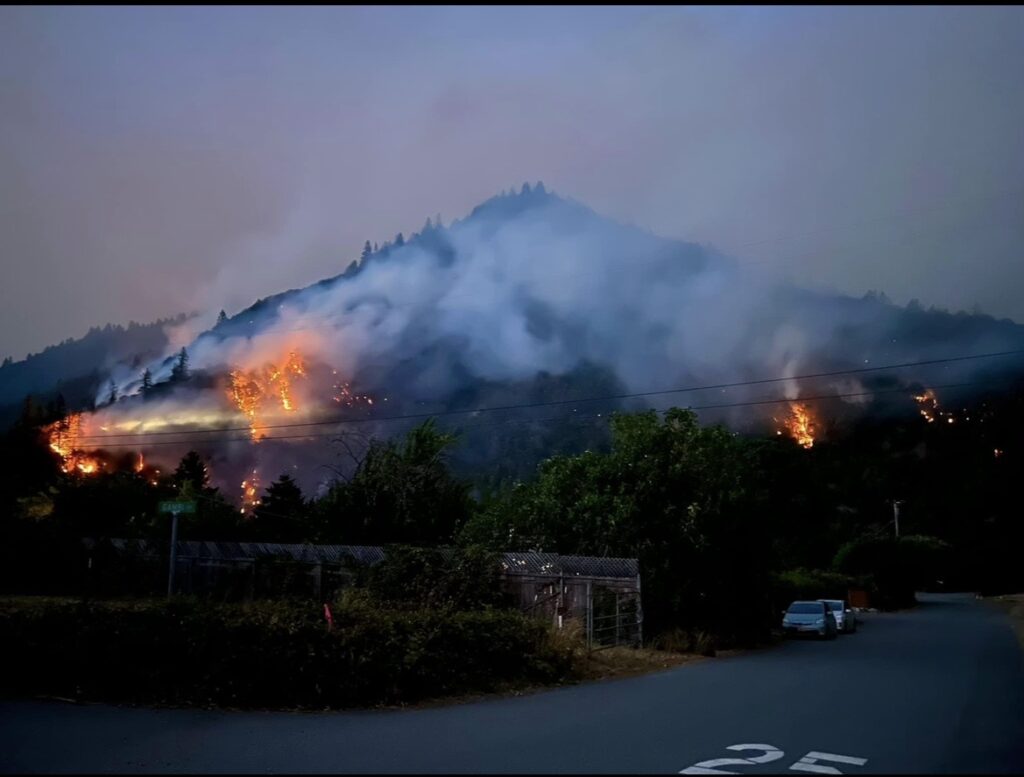
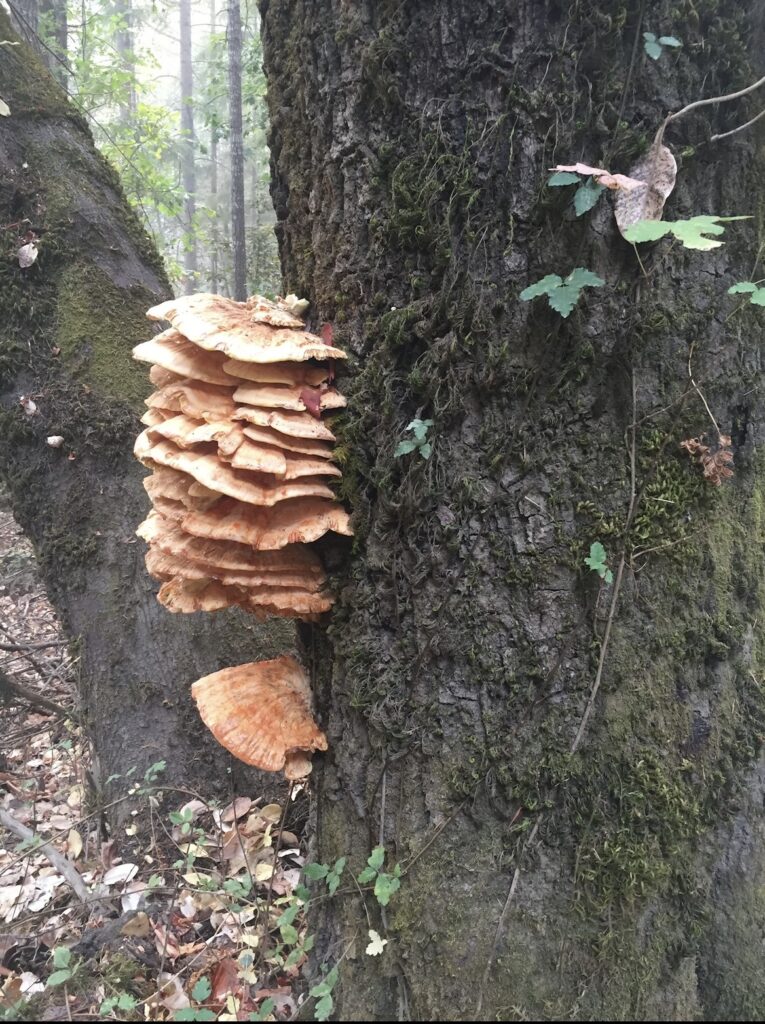
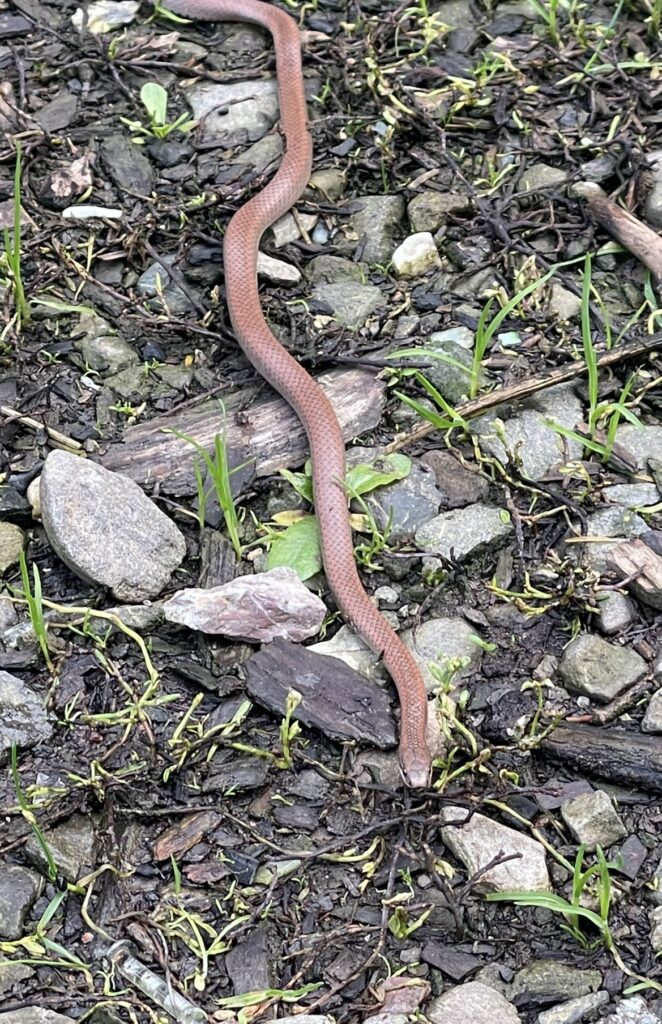
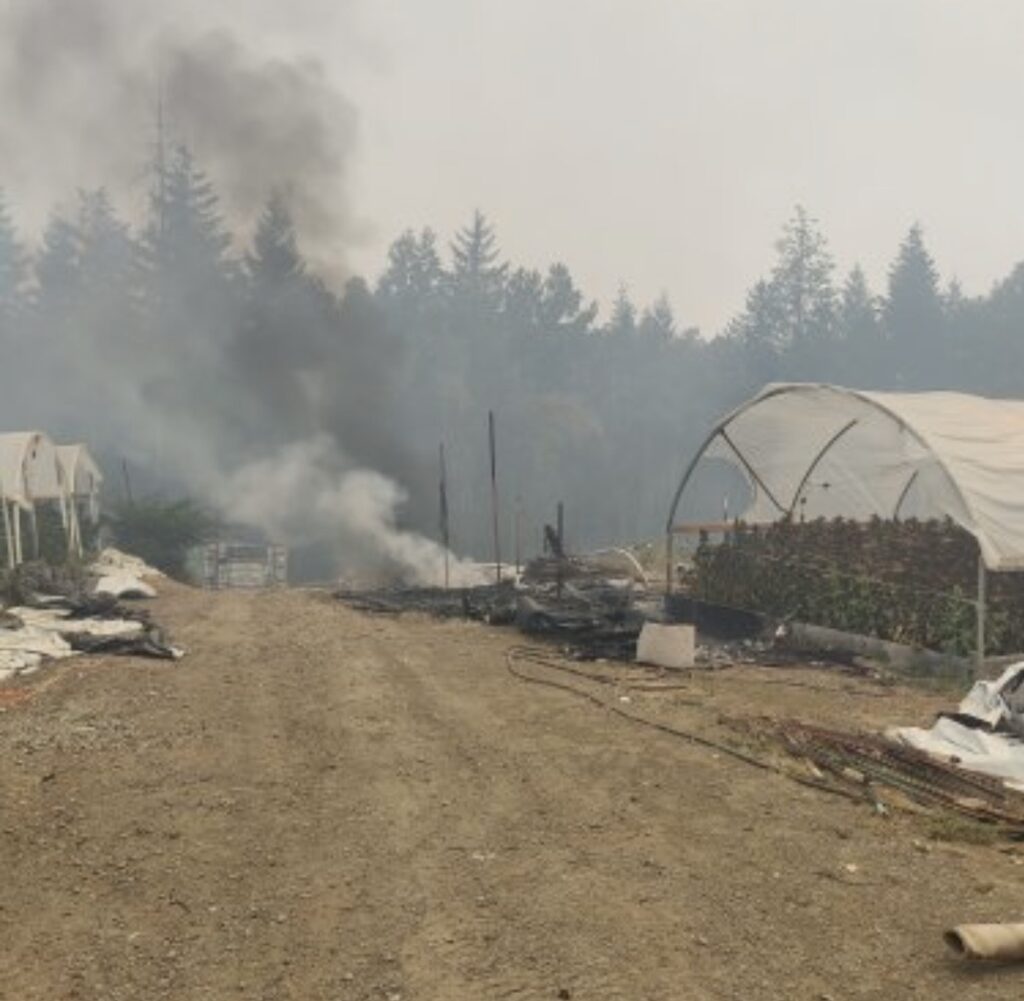
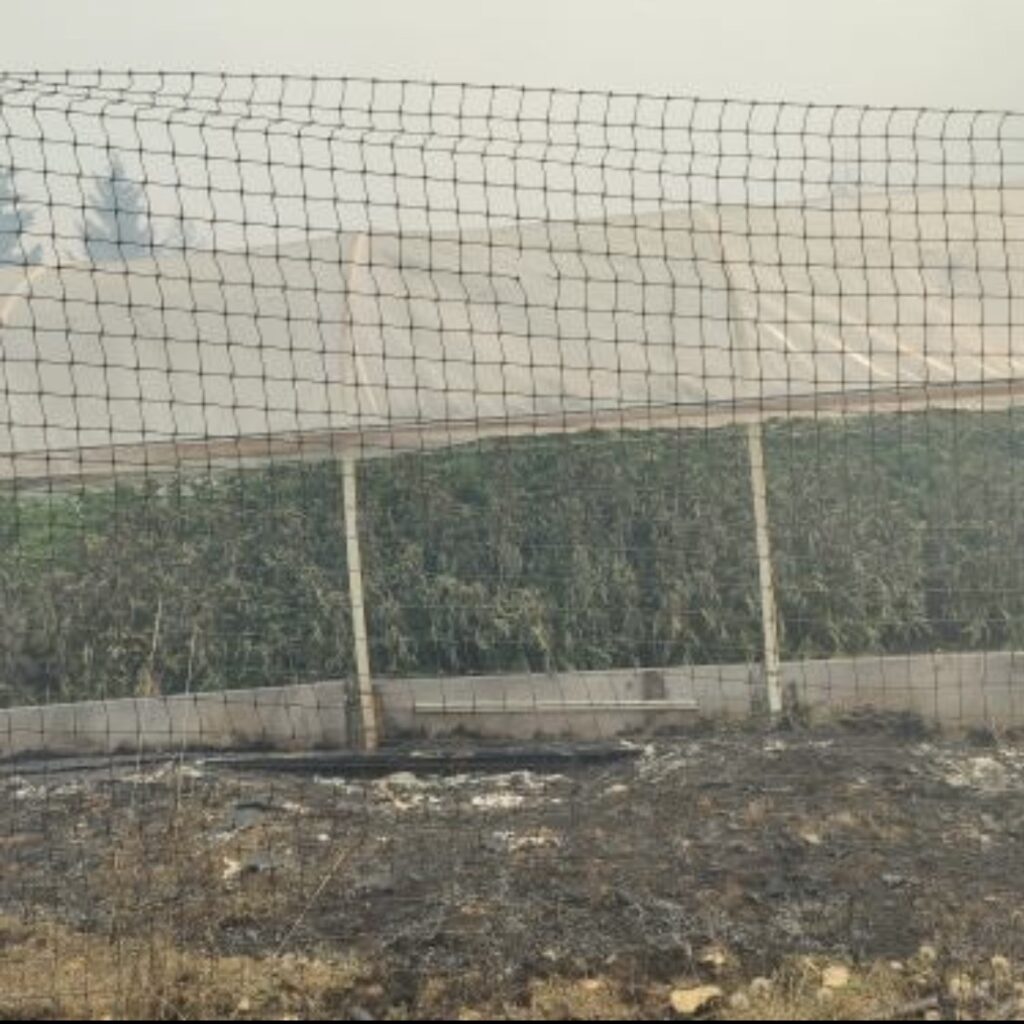
Operating remote cultivation sites meant working within California’s natural environment rather than attempting to control it. Wildlife, changing weather, wildfire risk, and environmental regulations all influenced daily operations and long-term planning.
Wildlife interactions were a regular part of operating mountain cultivation sites. Deer, rodents, insects, reptiles, and native wildlife all required thoughtful management strategies that protected both the crop and the surrounding ecosystem. Rather than relying on prohibited pesticides or harmful control methods, our approach emphasized physical barriers, habitat management, beneficial insects, and preventative planning whenever possible.
Wildfire preparedness became another critical operational responsibility. During California’s increasingly severe fire seasons, evacuation planning, emergency communication, equipment staging, and transportation logistics all became part of normal operational planning. Every season required contingency plans that could be implemented quickly if conditions changed.
Environmental stewardship remained equally important. Remote cultivation sites operate within sensitive watersheds and forest ecosystems, making responsible waste management, erosion control, water conservation, and regulatory compliance essential parts of daily operations.
One of the greatest lessons learned from managing remote cultivation sites is that long-term success comes from working with the environment—not against it. Healthy ecosystems, responsible cultivation practices, and careful planning ultimately produce stronger, more resilient operations.
“The mountain always has the final say. Successful operators learn to prepare for it instead of trying to fight it.”
Learn More
- How We Saved a Cannabis Farm During an Active Wildfire
- Lessons Learned Managing Wildlife on Remote Cannabis Farms
Compliance Never Stops
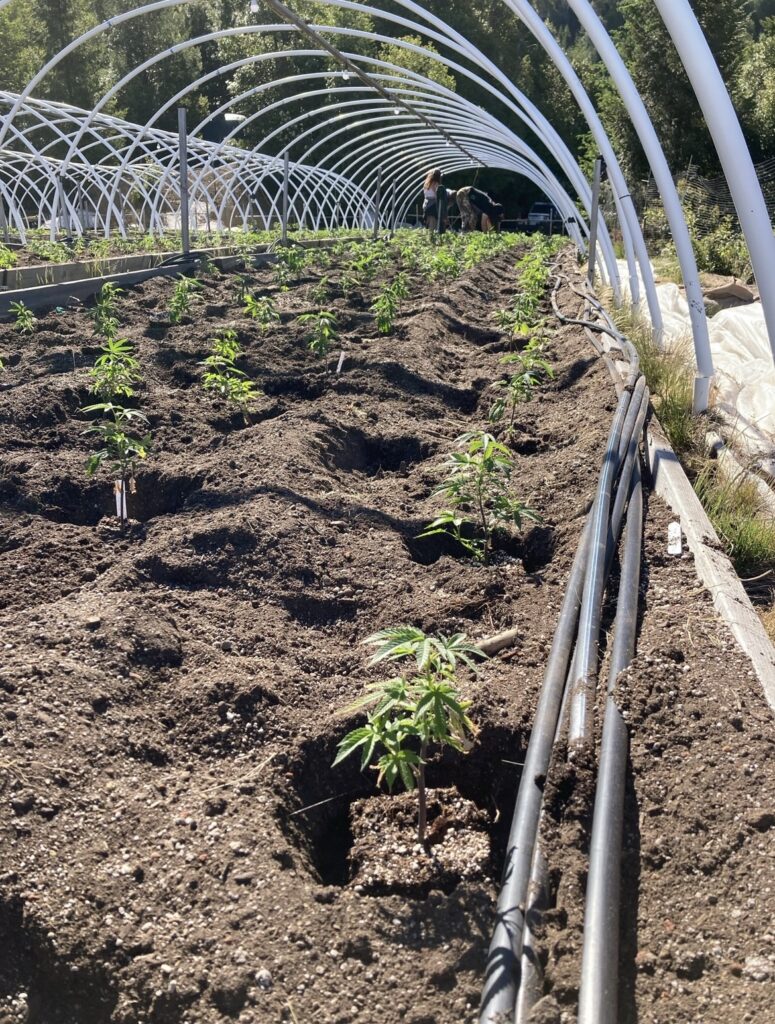
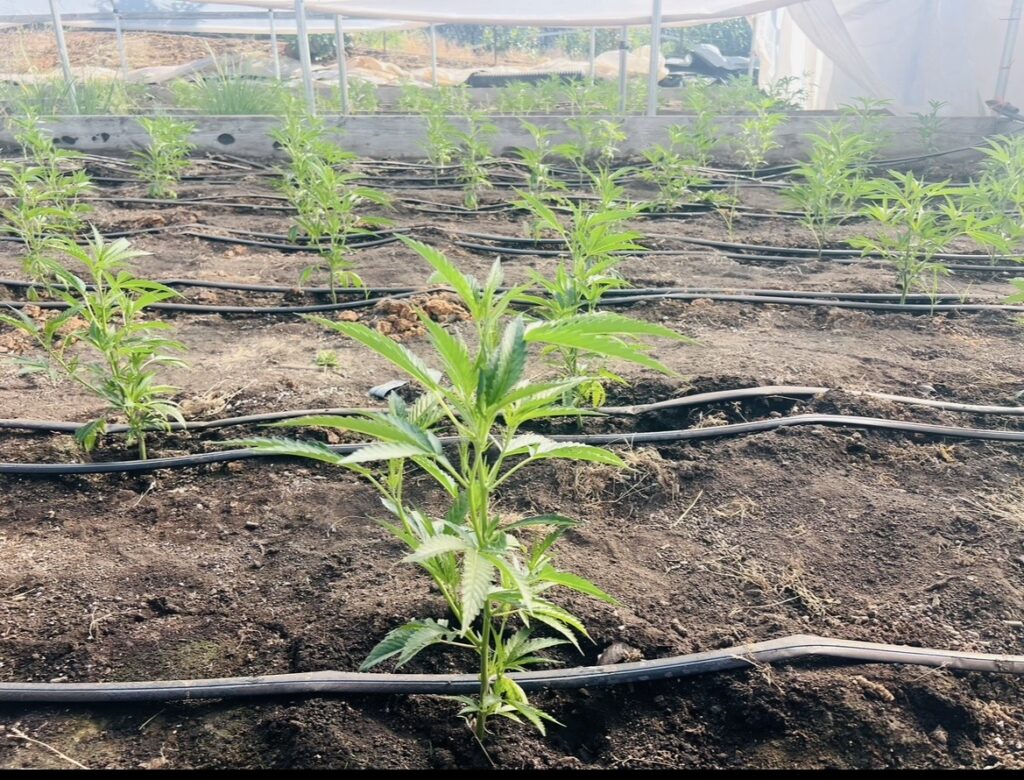
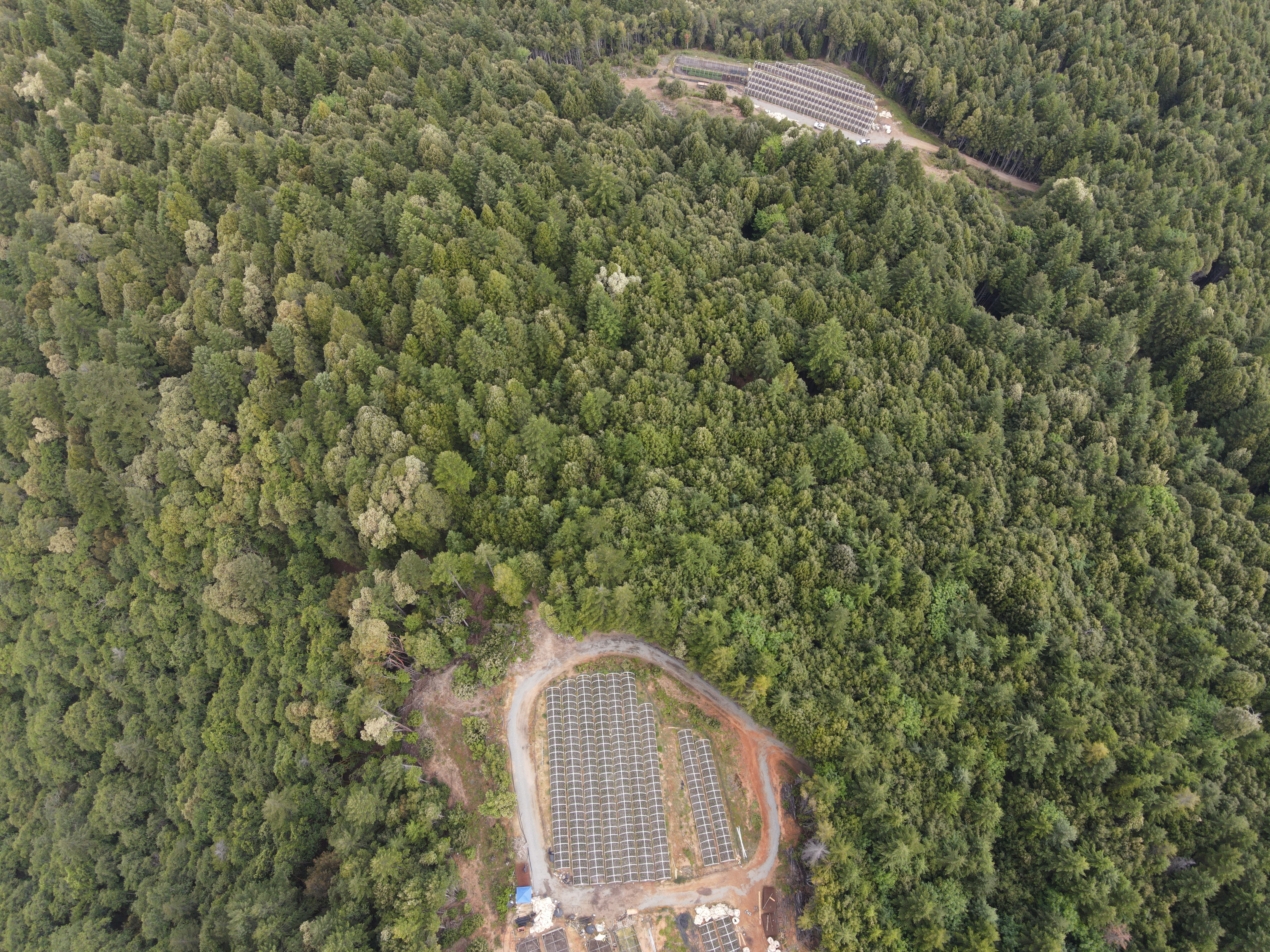
One of the biggest misconceptions about remote cultivation is that distance somehow reduces regulatory oversight. In reality, remote operations require an even greater level of organization because inspections, environmental regulations, and operational standards remain exactly the same regardless of location.
Throughout these projects, compliance became part of every daily decision. From maintaining organized cultivation sites and documenting operational activities to managing inventory, pesticide records, waste handling, and environmental protections, every system had to be designed with inspections in mind.
As California’s regulatory agencies have adopted increasingly sophisticated technology, including aerial imagery and regularly updated satellite photography, remote cultivation sites can no longer assume that inspections only occur when an inspector drives through the front gate. Maintaining compliance has become a continuous process rather than an event that occurs once or twice each year.
The most successful operations are those that build compliance into their everyday workflows. Clean work areas, organized infrastructure, accurate documentation, and consistent operating procedures reduce risk while making inspections significantly less stressful for everyone involved.
Ultimately, compliance is not separate from cultivation—it is part of running a successful commercial cannabis business.
Compliance Highlights
Compliance Responsibilities
- Compliance Responsibilities
- Environmental documentation
- Inspection preparation
- Pesticide recordkeeping
- Waste management
- Employee training
- Operational documentation
- Daily compliance oversight
“The easiest inspection is the one you don’t have to prepare for because you’ve been inspection-ready every day.”
Continue Reading
Lessons Learned

Lessons Learned
Remote mountain cultivation taught me that successful commercial cannabis operations are built on preparation, adaptability, and disciplined systems rather than simply growing exceptional plants.
Every season introduced new challenges. Wildfire threats, changing regulations, difficult weather, wildlife pressure, equipment failures, staffing shortages, and supply chain delays all required thoughtful planning and the ability to adapt quickly. No two seasons were ever exactly the same.
Those experiences reinforced an important lesson that has shaped my approach to consulting today: the strongest operations are rarely the ones that react the fastest. They are the ones that prepare the best.
Whether managing compliance, developing infrastructure, building cultivation systems, training employees, or responding to emergencies, every successful outcome began with careful planning long before problems developed.
Remote mountain cultivation demanded resilience, creativity, and constant problem-solving. Those same principles continue to guide every consulting project I undertake today, helping clients build operations that are not only productive, but sustainable, compliant, and prepared for the unexpected.
“Preparation always costs less than reacting to a preventable problem.”
Need Help Managing Complex Cannabis Operations?
Whether you’re developing a new cultivation facility, improving compliance systems, preparing for inspections, or solving operational challenges, I provide practical consulting based on years of hands-on commercial experience managing cannabis operations throughout Northern California.
👉 Contact Secund Look to discuss your project.