Secund Look provides METRC administration, inventory reconciliation, compliance workflow development, SOPs, employee training, inspection readiness, and cannabis operations support for licensed Oklahoma medical marijuana businesses.
Oklahoma growers, processors, dispensaries, transporters, laboratories, and waste-disposal businesses must maintain accurate seed-to-sale records through the state’s METRC inventory tracking system. For many independent operators, keeping those records current can become a major administrative burden on ownership and facility management.
Secund Look helps licensed businesses develop dependable systems connecting physical inventory, employee activity, cultivation, processing, packages, transfers, manifests, receiving, waste, and supporting documentation to accurate electronic records.
Support is based on more than 14 years of firsthand cannabis experience across commercial cultivation, nursery production, manufacturing, distribution, harvest operations, inventory management, logistics, employee training, regulatory compliance, facility development, and METRC administration.
Oklahoma Medical Marijuana Compliance at a Glance
| Primary regulator | Oklahoma Medical Marijuana Authority |
| State cannabis market | Medical marijuana |
| State inventory platform | METRC seed-to-sale tracking system |
| METRC participation | Required for all OMMA-licensed businesses |
| Primary service area | Remote consulting and operational support throughout Oklahoma |
| Businesses supported | Growers, processors, dispensaries, transporters, testing laboratories, and other licensed operations |
| Available support | METRC administration, reconciliation, SOPs, training, inspections, manifests, and operational systems |
| Consultant access | Must be authorized and structured according to current OMMA, MedPortal, METRC, and employee-credential requirements |
| Engagement options | Recurring administration, project support, cleanup, training, system development, or compliance assessment |
Secund Look provides operational, administrative, inventory, and compliance-system support. Services do not replace legal advice from a qualified Oklahoma attorney or official direction from OMMA.
Why Oklahoma Operators Need Reliable METRC Systems
Oklahoma’s medical marijuana market includes a large number of independent growers, processors, dispensaries, and other licensed businesses. Many of those businesses operate with small teams in which ownership, management, cultivation, production, compliance, purchasing, inventory, and sales responsibilities overlap.
That operating model can work, but it creates risk when nobody has enough time to maintain inventory records consistently. Activities may be delayed, reconstructed from memory, entered with incomplete information, or handled differently by separate employees.
METRC cannot determine whether a physical weight is correct, whether an employee reported every input, whether a transfer was properly verified, or whether a package adjustment reflects what actually happened. The licensed business must create internal procedures that produce complete and dependable information.
METRC compliance is not only a data-entry responsibility. It is an operating system connecting employees, physical inventory, production, transportation, and management review.
Oklahoma METRC & Compliance Services
Support can focus on one immediate inventory issue or be developed into an ongoing administrative and compliance-management system.
METRC Setup, Training & Workflow Development
A licensed business needs more than METRC credentials. It needs a defined process for collecting, verifying, entering, reviewing, and retaining the information generated by its daily operations.
- Facility and inventory workflow planning
- User-role and responsibility development
- Internal data-collection procedures
- Plant, package, and tag-management procedures
- Beginning inventory preparation
- Employee onboarding and operational training
- Daily, weekly, monthly, and annual compliance calendars
- Management-review and escalation procedures
Official METRC training and any required Oklahoma credentialing must still be completed through the applicable OMMA and METRC processes.
Daily METRC Administration
Recurring administration can help prevent incomplete records from accumulating into an inventory discrepancy, failed inspection, transfer problem, production delay, or management emergency.
- Plant and plant-batch activity
- Plant-tag management
- Harvest creation and reporting
- Waste and destruction records
- Package creation and package movement
- Production inputs and outputs
- Transfer and manifest preparation
- Receiving and inventory verification
- Sales and package-status review
- Inactive, unfinished, or unusual inventory review
- Supporting-document organization
Inventory Reconciliation & METRC Cleanup
Inventory cleanup should begin with investigation. Arbitrary adjustments may hide the immediate difference without identifying whether the problem began during cultivation, harvest, manufacturing, packaging, transportation, receiving, sale, waste, or employee reporting.
Secund Look can help compare physical inventory, METRC records, internal spreadsheets, point-of-sale information, production records, manifests, receiving documents, package histories, and employee reports.
- Physical-to-system inventory comparisons
- Plant, harvest, and package-history review
- Production input and output reconciliation
- Transfer and receiving-document review
- Waste, loss, and adjustment-document review
- Inactive or unfinished inventory review
- Supporting-record organization
- Corrective-action planning
- Recurring inventory-verification schedules
Any correction or adjustment must be supported by verified information and completed in accordance with current Oklahoma requirements. Unsupported adjustments should not replace a documented investigation.
Standard Operating Procedure Development
Generic SOP templates frequently fail because they do not match the license type, facility layout, staffing, equipment, software, production methods, or actual responsibilities inside the business.
Secund Look develops operational procedures connecting physical work to the records required by management and regulators.
- Daily METRC reporting
- User access and account security
- Plant and nursery inventory
- Harvest and post-harvest reporting
- Manufacturing inputs, outputs, and production batches
- Package creation and finishing
- Testing-status review
- Receiving and inventory acceptance
- Transfer and manifest verification
- Waste and destruction
- Inventory reconciliation
- Discrepancy investigation and corrective action
- Employee training and documentation
- Inspection preparation
Inspection & Audit Readiness
OMMA conducts compliance inspections and audits of licensed businesses. A business should be able to explain its inventory, produce required records, demonstrate that physical activity matches electronic records, identify responsible employees, and show that written procedures are being followed.
- METRC and inventory-record review
- Physical inventory comparison
- Plant and package-tag review
- Transfer and manifest review
- SOP review and organization
- Employee credential and responsibility review
- Supporting-document review
- Mock compliance assessment
- Corrective-action planning
Important Oklahoma METRC & Inventory Requirements
All Licensed Businesses Must Use METRC
Oklahoma uses METRC as its statewide medical marijuana seed-to-sale inventory tracking system. OMMA-licensed businesses are responsible for maintaining compliant inventory and activity records in the system.
METRC use applies across the regulated supply chain. Growers, processors, dispensaries, transporters, laboratories, and other licensed businesses must ensure their physical activity is represented accurately in the system.
Plant and Package Tracking
Plants and regulated products must remain traceable throughout cultivation, processing, transportation, testing, and sale. Businesses need dependable procedures for assigning tags, maintaining package identities, documenting changes, and preventing untagged or unreported inventory.
A tag is not simply a label. It connects the physical plant or package to its electronic history, including origin, activity, movement, weight, testing, transfer, and final disposition.
Zero-Inventory Reporting
Licensed businesses without inventory still have reporting responsibilities. Oklahoma uses METRC’s Operational Exception function for required zero-inventory reporting.
A business should not assume that an empty facility means no compliance work is required. Zero-inventory reporting should be included in the business’s monthly compliance calendar when applicable.
Transfers and Manifests
Transfers require accurate package, license, vehicle, driver, departure, destination, and receiving information. Sending and receiving businesses should each have procedures for verifying that the physical shipment matches the electronic manifest.
- Verify license information before creating a transfer.
- Confirm package identities and quantities.
- Review vehicle and transporter information.
- Confirm departure and estimated arrival information.
- Inspect shipments before accepting the transfer.
- Document shortages, damage, rejection, or delivery failure.
- Retain supporting transportation records.
Pre-Packaged Product Requirements
Oklahoma requires medical marijuana sent to dispensaries to be pre-packaged in accordance with current state law and OMMA rules. Growers, processors, distributors, and dispensaries should ensure their packaging, labeling, package creation, transfer, receiving, and point-of-sale procedures remain coordinated.
A physical packaging change should be supported by matching package and inventory records. Packaging teams should understand how finished quantities, source material, waste, testing, labels, and transferred packages connect.
Employee Credentials
Oklahoma requires credentials for employees of licensed medical marijuana businesses. Consultants performing duties that fall within Oklahoma’s definition of an employee may also need to complete the applicable credentialing process.
The proper structure depends on the work being performed. Remote administrative review, direct METRC access, handling marijuana, entering a licensed premises, supervising employees, or performing other operational duties may create different requirements.
Before beginning an engagement, the licensee and consultant should define the scope of work, portal access, METRC permissions, credential status, confidentiality, responsibility, and documentation procedures.
Delegated MedPortal Access
OMMA provides a process for a business to delegate MedPortal access to another person, including a third-party consultant, employee, or attorney. Delegated portal access and direct METRC-user access are separate issues and should not be treated as interchangeable.
Each business should grant only the access necessary for the authorized work and should remove access promptly when the relationship ends.
Support by Oklahoma License Type
Oklahoma Medical Marijuana Growers
Growers generate continuous plant, harvest, waste, tag, inventory, employee, and transfer records. Support can connect propagation, plant movement, flowering inventory, harvest scheduling, drying, packaging, testing, and finished inventory into one coordinated system.
- Plant and plant-batch tracking
- Tag-management procedures
- Plant movement and room changes
- Harvest creation and weight tracking
- Waste and moisture-loss documentation
- Drying and post-harvest workflows
- Package creation and transfers
- Daily and recurring inventory reconciliation
Oklahoma Medical Marijuana Processors
Processors must connect source packages to production activity, yields, losses, finished products, testing, packaging, and transferred inventory.
- Source-package verification
- Production and processing-batch records
- Input and output reconciliation
- Yield and loss documentation
- Finished-package creation
- Testing-status tracking
- Packaging and labeling workflows
- Transfer preparation and receiving
Oklahoma Medical Marijuana Dispensaries
Dispensaries depend on accurate receiving, package inventory, point-of-sale coordination, sales records, returns, waste, internal audits, and employee procedures.
- Incoming transfer verification
- Package receiving and acceptance
- Pre-packaged product verification
- Point-of-sale and METRC coordination
- Daily package-inventory review
- Returns, waste, and destruction procedures
- Zero-inventory reporting when applicable
- Inspection and audit preparation
Oklahoma Transporters
Transport operations require accurate manifests, package identification, driver and vehicle information, departure and arrival procedures, chain-of-custody documentation, delivery verification, and communication between sending and receiving businesses.
Support can help transporters and licensed businesses create matching procedures that reduce rejected transfers, delayed deliveries, incorrect package information, and incomplete documentation.
Oklahoma Testing Laboratories
Testing facilities require organized sample transfers, chain-of-custody documentation, test-result reporting, package-status controls, failed-test procedures, and inventory reconciliation.
Operational Experience Behind the Service
Secund Look is not a software reseller or a general consulting firm learning cannabis entirely from regulations. The service is based on firsthand experience managing real cannabis operations.
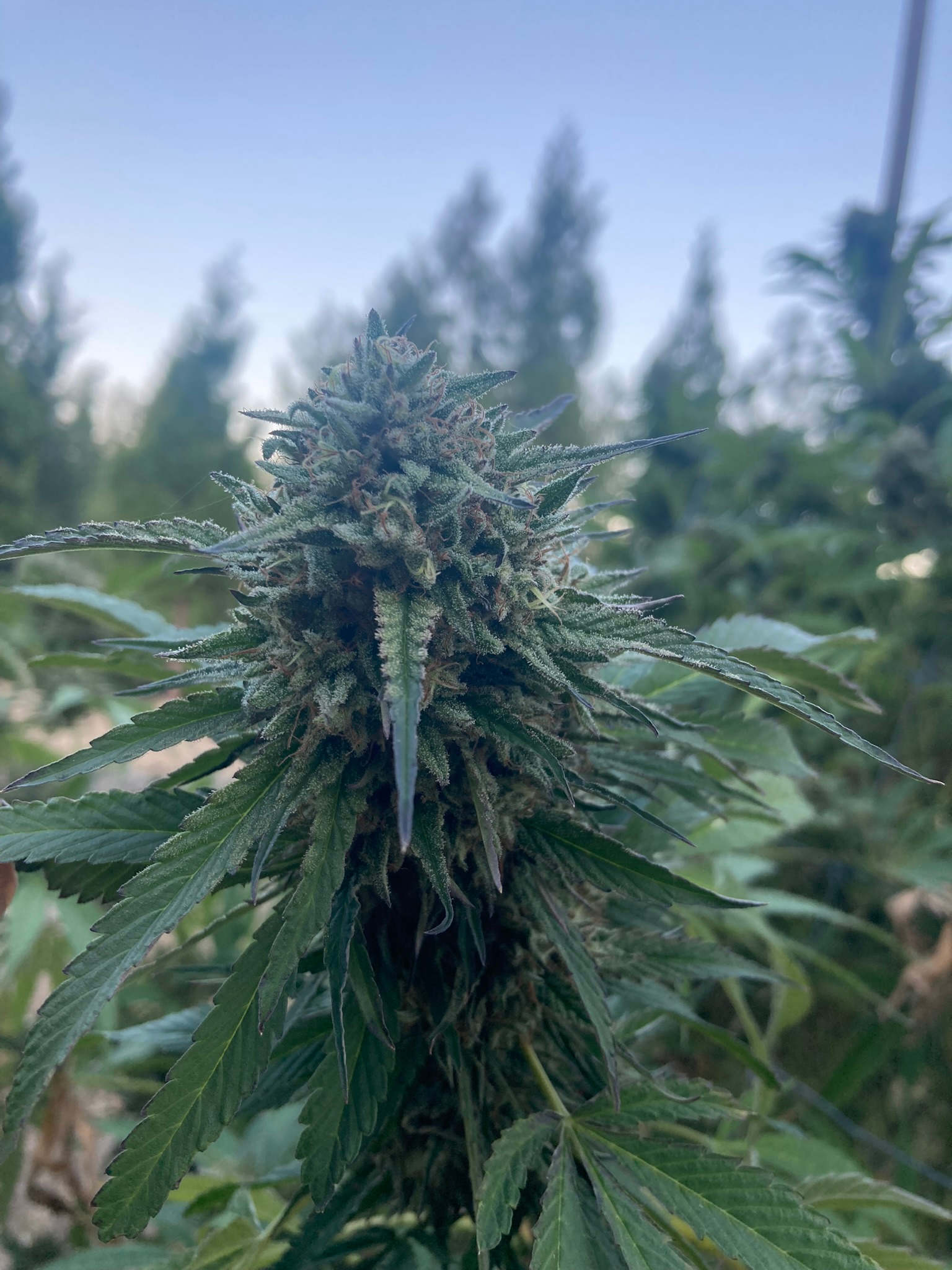
James Cook began working in Humboldt County cannabis in 2011 and developed experience across remote cultivation, commercial greenhouse production, nursery systems, harvest operations, manufacturing, distribution, packaging compliance, facility development, employee management, inventory control, inspections, transportation, and METRC administration.
That experience matters because many METRC discrepancies begin with a physical or communication failure:
- A plant is moved without the activity being reported.
- A harvest is weighed differently by separate employees.
- A processing team fails to communicate actual inputs and outputs.
- A package is physically changed without matching records.
- A transfer is accepted before receiving personnel verify it.
- Waste is documented differently by separate departments.
- An adjustment is made before the cause is investigated.
- Management assumes software alone will create compliance.
Secund Look helps identify those gaps and develop procedures employees can consistently follow.
How Remote Oklahoma METRC Support Works
Remote support requires more than sharing login information. It requires a documented relationship between the licensed operation and the person providing administrative assistance.
1. Operational Assessment
The first step is reviewing the license type, facility, employees, physical inventory, production workflow, internal software, current METRC records, reporting responsibilities, and immediate compliance concerns.
2. Authorization, Access & Credential Review
The licensee identifies the access necessary for the engagement. MedPortal delegation, METRC user access, employee credentials, facility access, and physical handling responsibilities are reviewed separately.
Each person should use unique credentials and receive only the permissions required for the assigned work.
3. Information-Collection Workflow
Employees use agreed forms, spreadsheets, reports, photographs, production records, manifests, or integrated software to document physical activity. The workflow identifies what information is needed, who submits it, and when it must be available.
4. METRC Administration & Record Review
Authorized activity is entered or prepared for entry, reviewed, and compared to physical or internal information. Missing, inconsistent, or unusual activity is investigated before it develops into a larger discrepancy.
5. Ongoing Reconciliation & Improvement
Recurring errors are traced back to the physical workflow. Procedures, forms, employee responsibilities, and training are improved so the business becomes more organized over time.
The goal is not permanent dependence on emergency corrections. The goal is to develop an operating system that prevents the emergency.
Common Oklahoma METRC & Inventory Problems
- Plant or package activity is entered several days after it occurs.
- Physical inventory does not match METRC.
- Harvest weights cannot be easily reconstructed.
- Plants or packages are missing required tags.
- Production inputs and outputs do not reconcile.
- Transfers contain incorrect package, vehicle, or driver information.
- Receiving staff accept inventory before verifying the shipment.
- Dispensary and point-of-sale records do not match METRC.
- Zero-inventory reports are overlooked.
- Employees share credentials or have excessive permissions.
- SOPs do not match how the facility actually operates.
- Management discovers discrepancies shortly before an inspection.
These problems are easier to address when they are identified early, documented carefully, and connected to the physical process that caused them.
Official Oklahoma Medical Marijuana Resources
Oklahoma medical marijuana businesses should rely on current information from OMMA and METRC. Rules, reporting procedures, bulletins, credential requirements, packaging requirements, and system guidance can change.
- Oklahoma Medical Marijuana Authority
- Current OMMA Rules
- Oklahoma Seed-to-Sale and METRC Resources
- OMMA MedPortal and Delegated Access Resources
- OMMA Employee Credentialing
- OMMA Inspections and Compliance
- Oklahoma Pre-Packaged Product Requirements
- Oklahoma Licensing and Market Data
- METRC Oklahoma Resources
- METRC Bulletin Archive
External links are provided for convenience. Licensees should verify that they are reviewing the most current statutes, permanent or emergency rules, OMMA guidance, METRC bulletins, and regulator instructions applicable to their license.
Oklahoma METRC Consulting FAQs
Can an Oklahoma business give a consultant access to its OMMA account?
OMMA provides a delegated-access process through MedPortal for a third-party consultant, employee, or attorney. The business remains responsible for controlling access and ensuring that authorized activity complies with current requirements.
MedPortal delegation does not automatically establish direct METRC-user eligibility or eliminate employee-credential requirements. Those issues should be reviewed according to the services being performed.
Can Secund Look manage METRC remotely?
Remote administration may be possible when the licensee provides proper authorization and the arrangement complies with current OMMA, METRC, credentialing, account-security, and user requirements. The appropriate structure depends on the scope of work.
Secund Look can also provide inventory review, reconciliation, SOPs, record preparation, employee training, workflow development, and administrative support without assuming that every engagement requires the same type of direct access.
Does an Oklahoma consultant need an employee credential?
A consultant may need a credential when the work performed falls within Oklahoma’s definition of an employee or includes duties requiring credentialed access. The answer depends on the actual services, facility access, physical handling, authority, and relationship with the licensed business.
The licensee should confirm the applicable requirements with OMMA before assigning duties that may require a credential.
Can Secund Look clean up existing METRC discrepancies?
Secund Look can compare physical inventory, METRC, point-of-sale information, production records, manifests, package histories, plant records, and supporting documents to identify likely causes and develop an organized corrective process.
Corrections must be based on verified information and completed according to current Oklahoma rules and OMMA guidance.
Can you help with zero-inventory reporting?
Yes. Zero-inventory reporting can be incorporated into a recurring compliance calendar so the business does not overlook its reporting responsibility simply because it has no physical inventory during a reporting period.
Can you help an Oklahoma grower?
Yes. Cultivation support can include plant and batch workflows, tag management, harvest reporting, waste records, package creation, transfers, drying and post-harvest systems, inventory reconciliation, SOPs, and employee training.
Can you help an Oklahoma processor?
Yes. Processing support can include source-package verification, production-batch records, input and output reconciliation, yields, losses, finished packages, testing status, packaging, transfers, SOPs, and inventory controls.
Can you help before an OMMA inspection?
Yes. Inspection-readiness support can include inventory comparisons, METRC review, tag review, SOP organization, employee responsibilities, credential records, manifests, waste records, supporting documents, and corrective-action planning.
Do you provide legal advice?
No. Secund Look provides operational, administrative, inventory, training, and compliance-system support. Questions requiring legal interpretation should be directed to a qualified Oklahoma attorney.

Discuss Oklahoma METRC & Medical Marijuana Operations Support
Whether your Oklahoma business needs daily METRC administration, inventory cleanup, SOP development, employee training, manifest support, zero-inventory reporting, inspection preparation, or a more dependable operational system, Secund Look can help develop a practical path forward.
Remote consulting and administrative support are available throughout Oklahoma. Engagements can be structured around a specific inventory problem, a cleanup project, recurring METRC work, employee training, inspection readiness, system development, or broader operational improvement.