Project Size: 4 Acres
Role: Operations Manager
Production: ~6,000 lbs
Cultivation Licenses: 14
Additional Licenses: Manufacturing & Distribution
Nursery Production: ~150,000 plants
Employees Managed: 40+
Project Overview
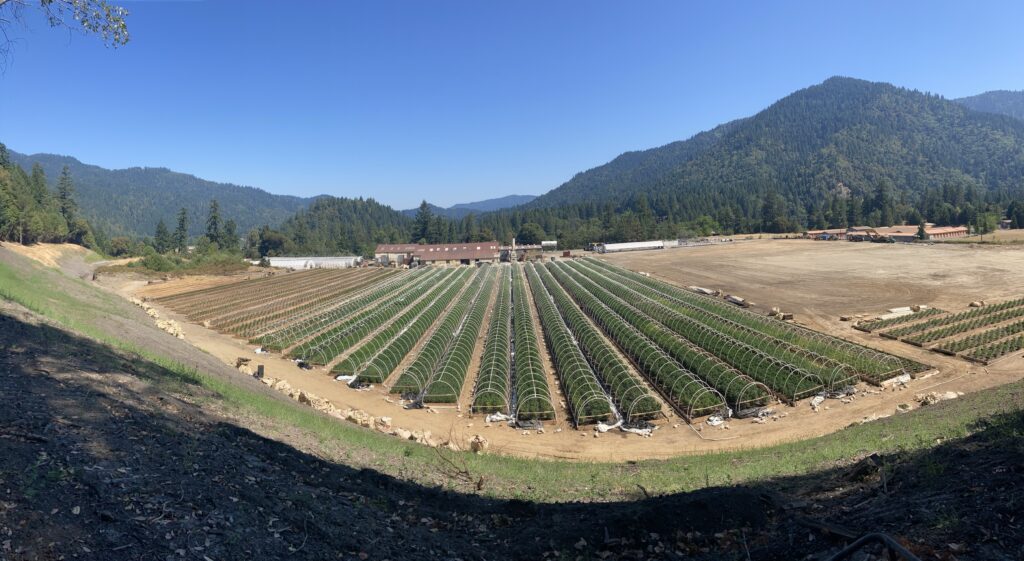
The mill site project involved transforming a previously abandoned cultivation property into a four-acre greenhouse production facility. The site had sat unused for roughly two years and required major cleanup, grading, drainage correction, infrastructure planning, nursery development, cultivation setup, compliance coordination, and operational organization before it could support production.
The facility became a central operating point while multiple remote farms were also being managed at the same time. In addition to cultivation, the site supported nursery production, harvest logistics, trimming operations, compliance workflows, METRC inputs, and product movement after harvest.
The Challenge
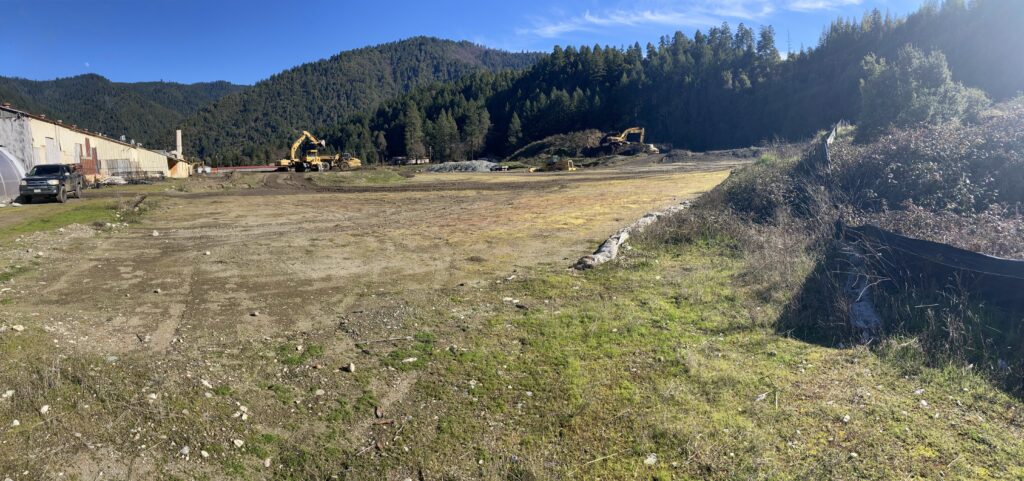
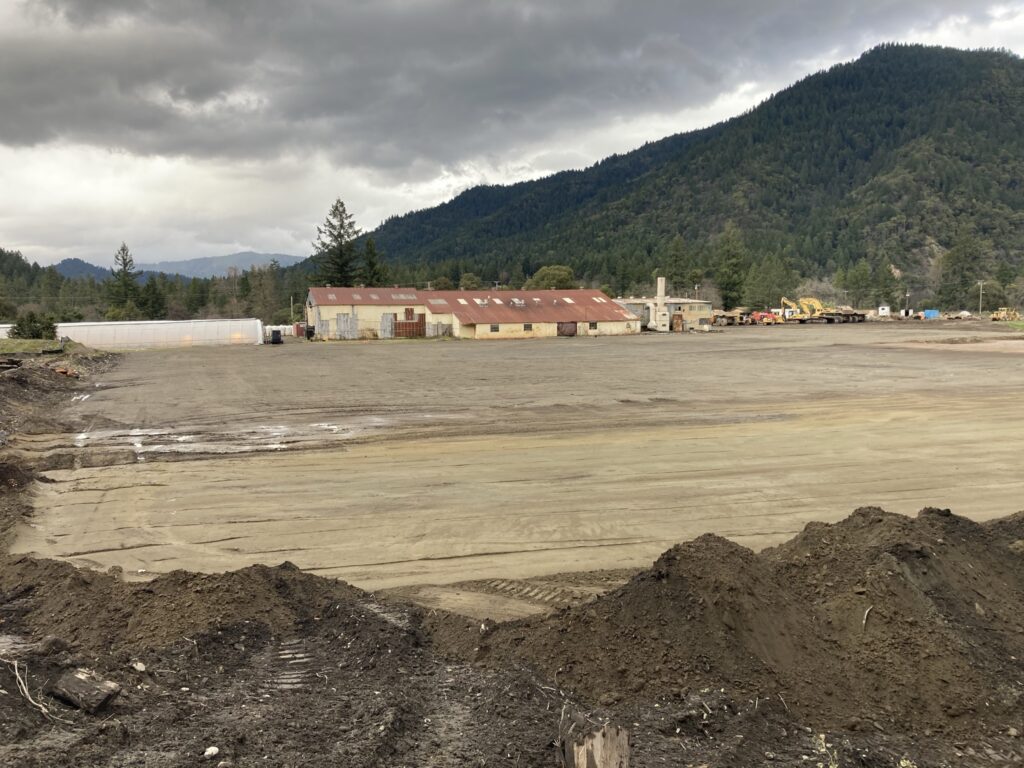
The project began with an uneven and unfinished site that required significant preparation before cultivation could begin. Large sections of earth had been disturbed by previous work, drainage had to be corrected, and all grading and site preparation needed to be completed in alignment with environmental expectations, Humboldt County requirements, and state and local compliance standards.
Weather delayed the early phases of the project, and the rural location created additional challenges with labor, materials, infrastructure, and scheduling. At the same time, other one-acre farm sites were also being operated, meaning the mill site had to be developed while broader cultivation, compliance, nursery, and logistics responsibilities were still ongoing.
Development & Buildout
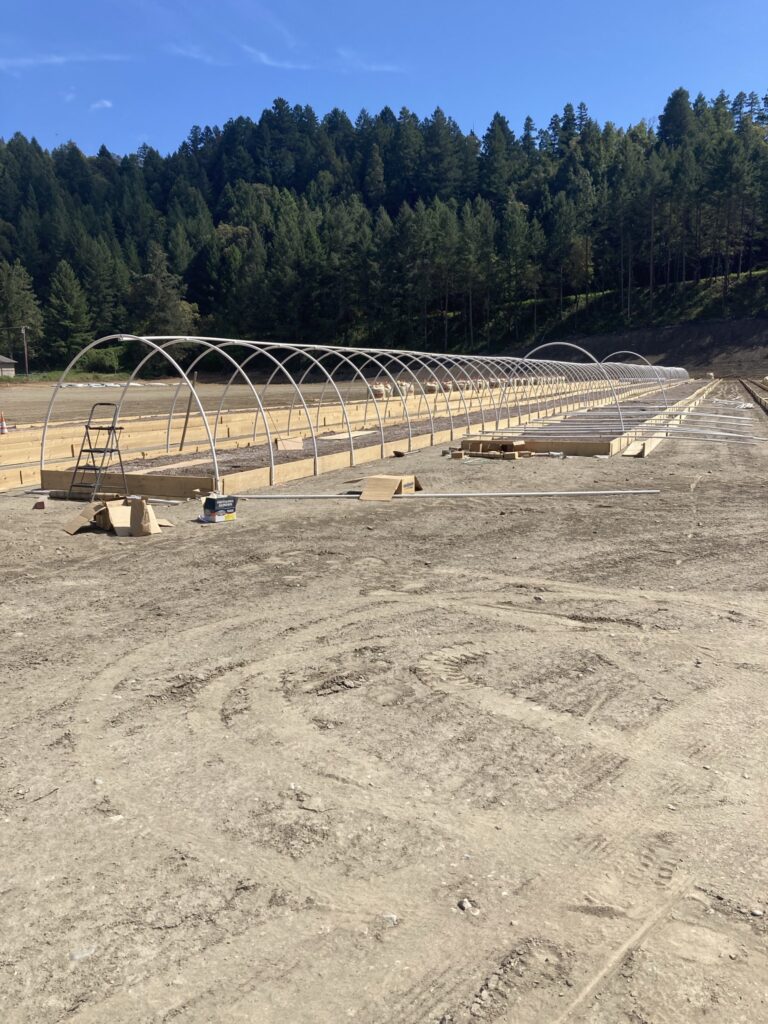
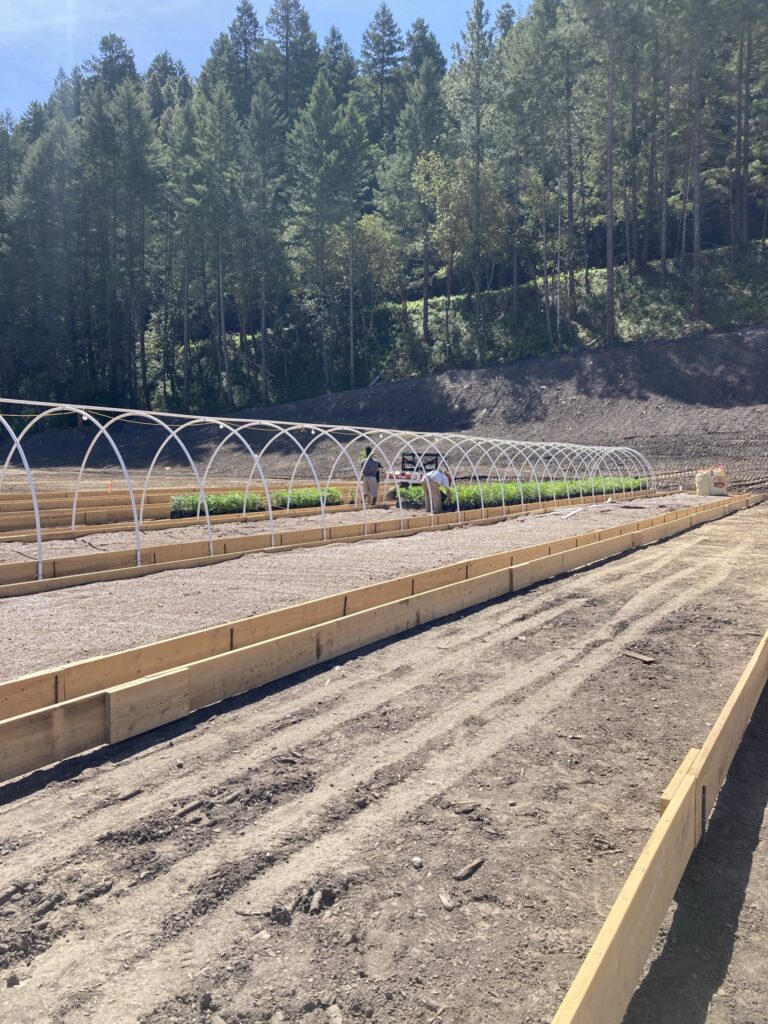
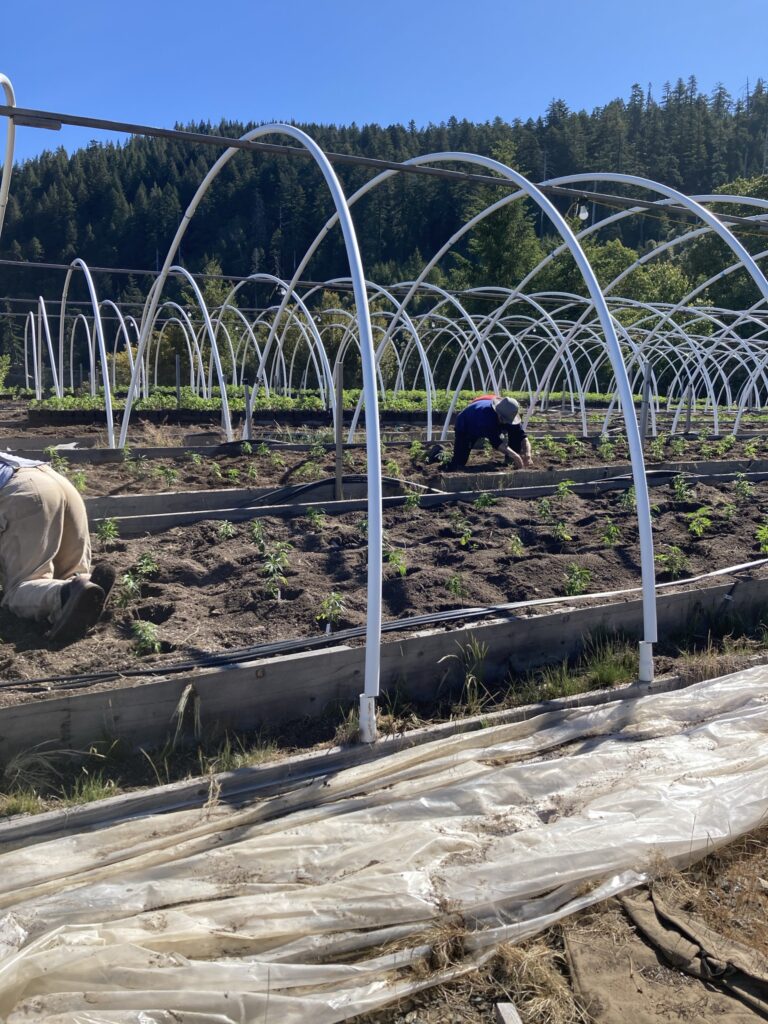
The project required building the cultivation infrastructure from the ground up. Raised beds were constructed across approximately four acres of canopy space, and long light deprivation hoop structures were built over the production rows. Some structures extended roughly 600 feet in length, creating additional construction and workflow challenges compared to smaller standard greenhouse runs.
Soil was sourced in large volumes using bulk tote systems, and native soil testing was completed to verify that contaminants or heavy metals were not present. Inside the existing mill building, rooms were built out to support nursery production, including ventilation, humidification, dehumidification, and environmental controls. The site supported mother plants, clone production, and large-scale plant starts while cultivation construction was still underway.
Operations & Compliance
James served as Operations Manager on the project, supporting hiring, scheduling, payroll, procurement, compliance, permitting, METRC inputs, and coordination with the cultivation team. He acted as an on-site representative for ownership while helping connect construction, cultivation, nursery production, compliance, and logistics into one working operation.
The project required constant coordination between site development, plant production, regulatory requirements, labor needs, and harvest planning. Compliance responsibilities included permitting support, METRC work, site documentation, and helping ensure that activity on the property aligned with state and local requirements.
Harvest, Processing & Results
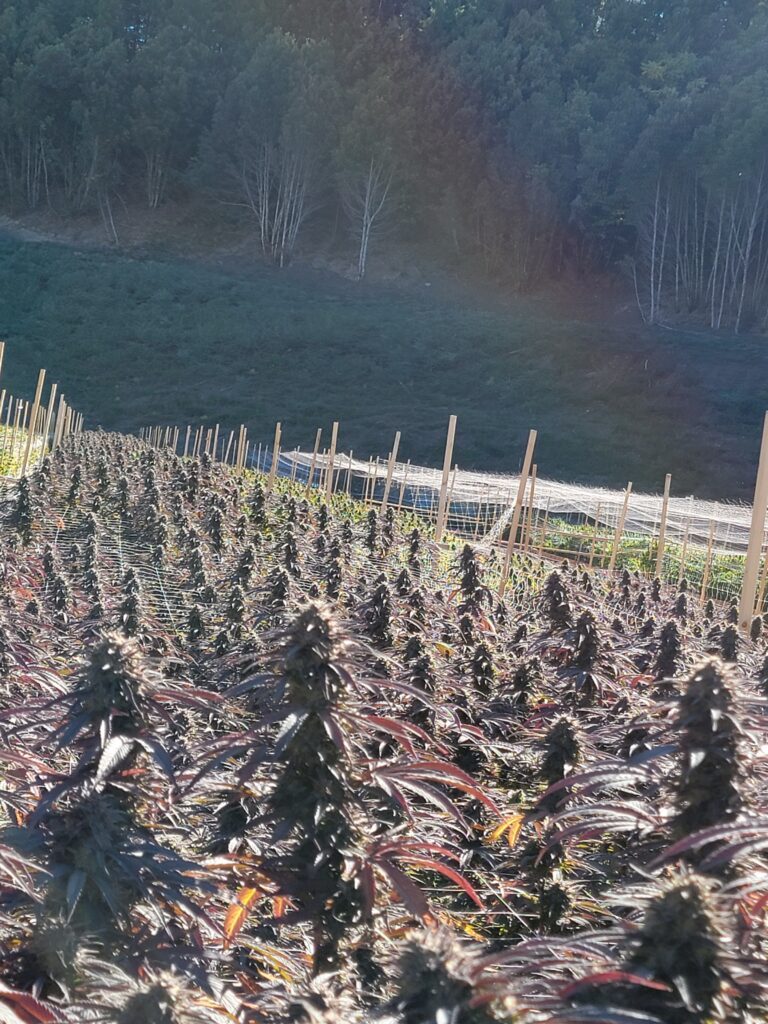
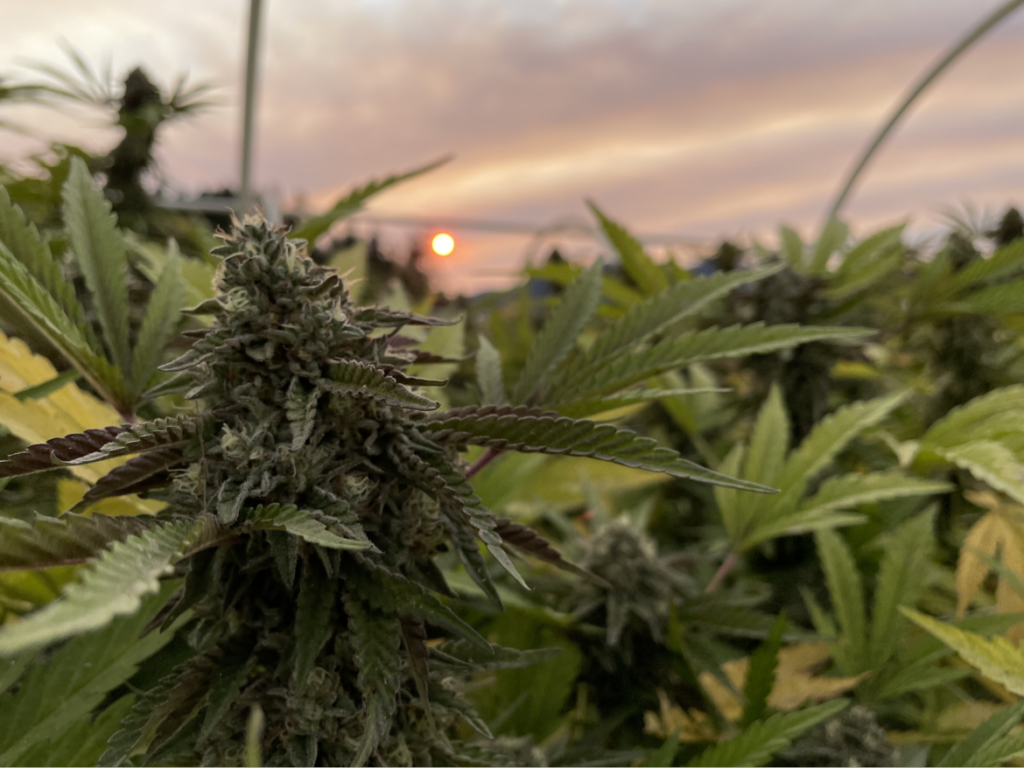
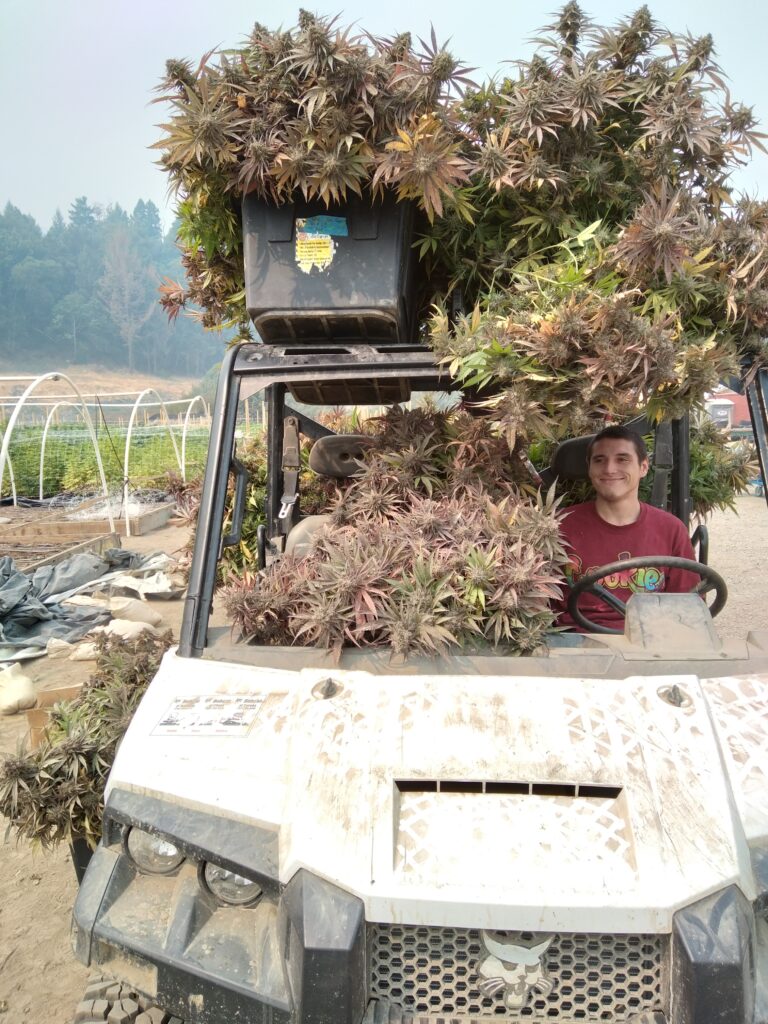
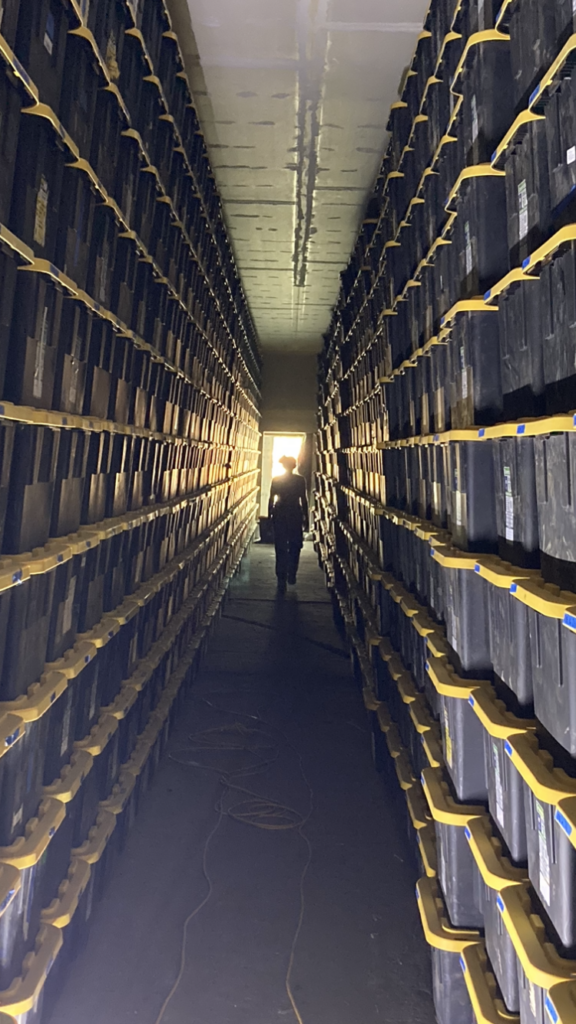
By late June, the site was planted, and light deprivation production began shortly after. The first major production run produced approximately 6,000 pounds of cannabis. Harvest required careful drying preparation, workflow planning, labor coordination, and quality control due to weather pressure, limited drying capacity, and the scale of production.
Trimming was performed on site with crews of approximately 35 to 40 trimmers. Workflow had to be organized so finished flower could be reviewed, tracked, documented, stored, and prepared for transport. The project demonstrated the importance of connecting cultivation, compliance, harvest logistics, labor management, and post-harvest systems into a single coordinated operation.
Explore the Full Case Study
The Mill Site project remains the largest and most complex cannabis operation I have participated in. This detailed case study documents the site’s development, environmental remediation, greenhouse construction, nursery production, compliance systems, labor management, post-harvest operations, and commercial cultivation outcomes.