Building a Commercial Cannabis Production Facility in Humboldt County
Project Scope
Location:
Humboldt County, California
Duration:
Multi-Year Commercial Operation
Cultivation Type:
Mixed-Light Cannabis Production
Licenses:
24 Mixed-Light Cultivation Licenses
Role:
Administrative Director / Operations Manager
Primary Responsibilities:
Facility Development • Operations • Compliance • METRC • Nursery • Post-Harvest • Labor Management
The Mill Site project remains the largest and most complex cannabis operation I have been involved with during my career. What began as a partially abandoned industrial property eventually became a large-scale commercial cannabis cultivation, manufacturing, and distribution operation supporting multiple cultivation sites throughout Humboldt County.
The project required:
- Environmental remediation and site preparation
- Large-scale grading and construction
- Mixed-light greenhouse development
- Commercial nursery production
- METRC and compliance management
- Labor recruitment and housing
- Post-harvest processing
- Large-scale cultivation operations
At its peak, the operation supported approximately 6–7 acres of commercial cannabis production through a centralized nursery and operational management system.
| Location | Humboldt County, California |
| Facility Size | 8 total acres with 4 acres used for cultivation |
| License Count | 24 Mixed Light Licenses, 1 Distribution, 1 Manufacturing (Type 7) |
| Canopy | 174,240 square feet of canopy |
| Clone Production | 125,000 annually |
| Water Storage | 150,000 gallons |
| Employees | 25-50 seasonal workers |
| Production | Approximately 6,000-7,000 pounds |
| Operations Supported | Cultivation, Manufacturing & Distribution |
Before Development
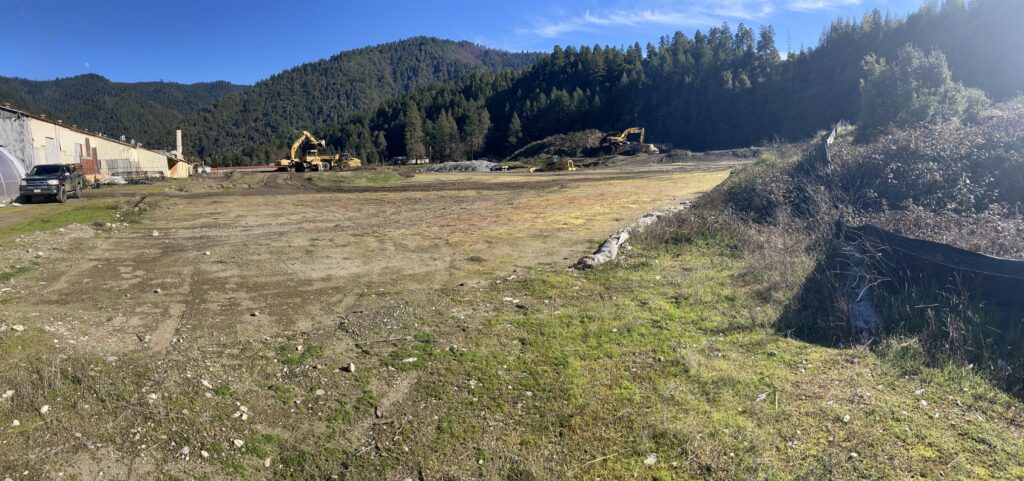
Before Development
The property originally operated as an industrial mill site supporting multiple businesses, including welding and logging operations. Previous cannabis operators had developed cultivation infrastructure before abandoning an ambitious redevelopment project after encountering financial difficulties.
When our operation leased the property, the site required substantial reconstruction, environmental review, grading, and infrastructure development before cultivation operations could begin.
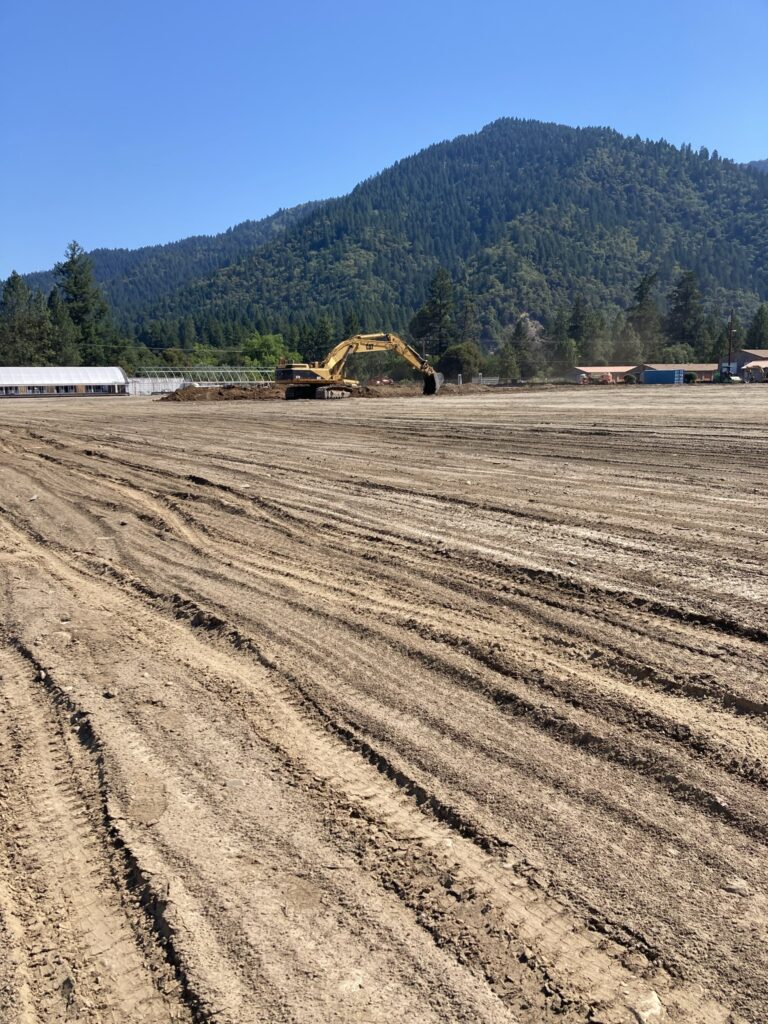
Grading
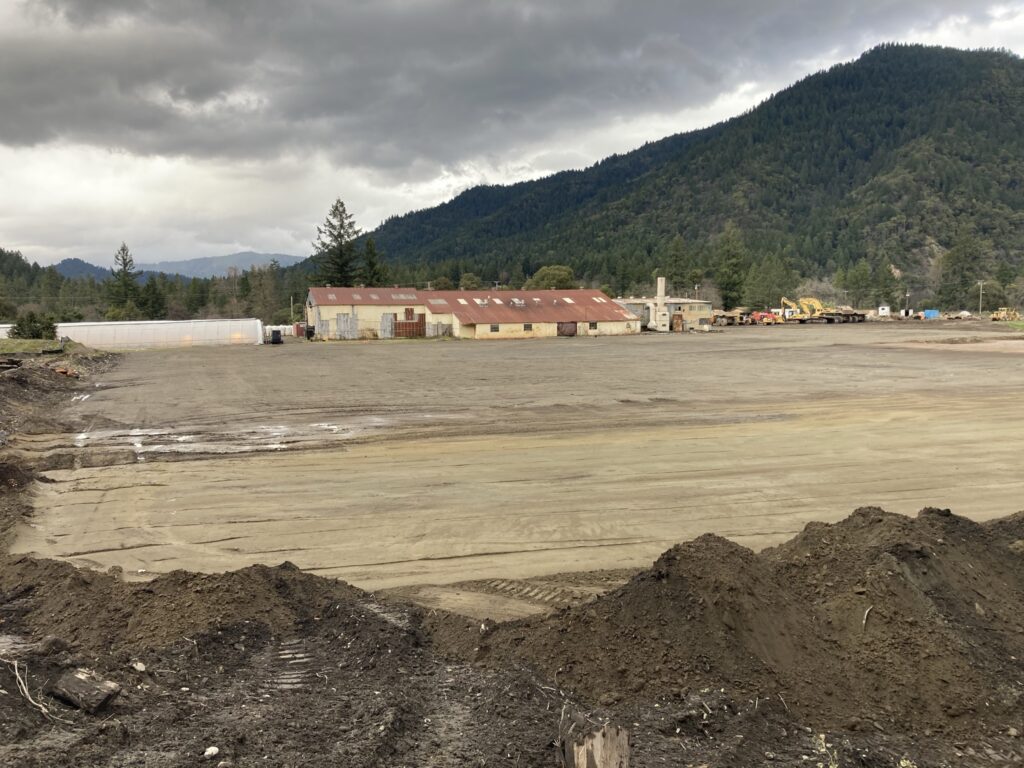
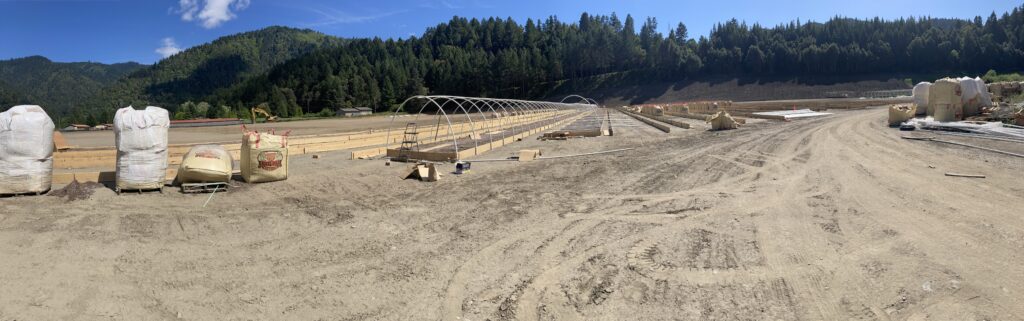
Site Preparation and Grading
One of the first major challenges involved reconstructing the site itself. Because of the property’s proximity to the Trinity River, environmental considerations and site management practices were critical throughout the development process.
The project required extensive grading operations to create suitable cultivation areas and establish the infrastructure necessary to support commercial production.
Greenhouse Construction
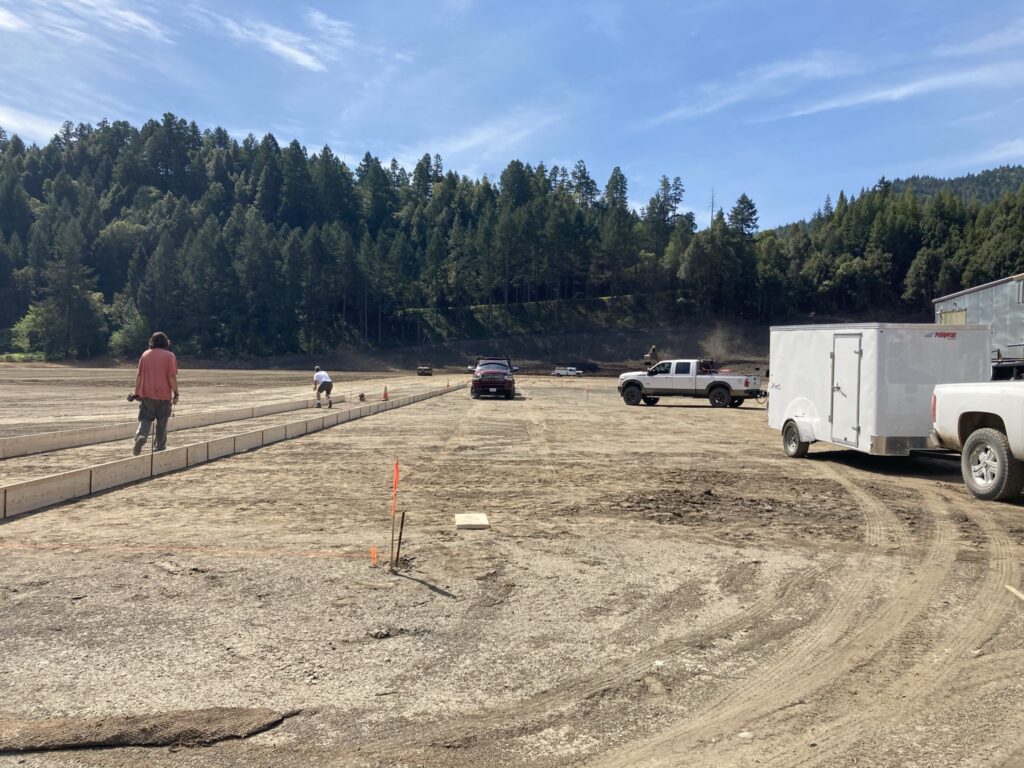
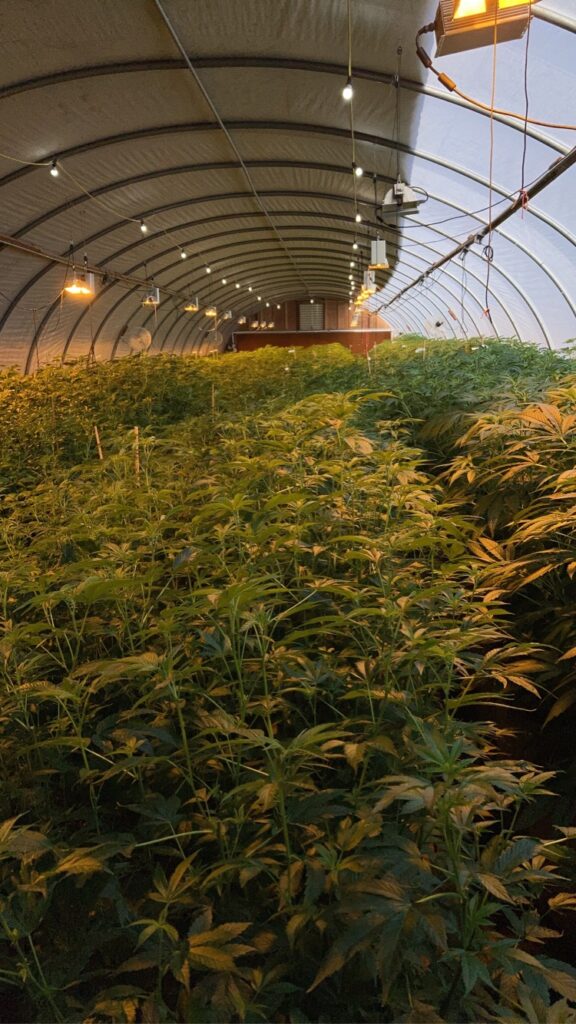
Building Four Acres of Mixed-Light Cultivation
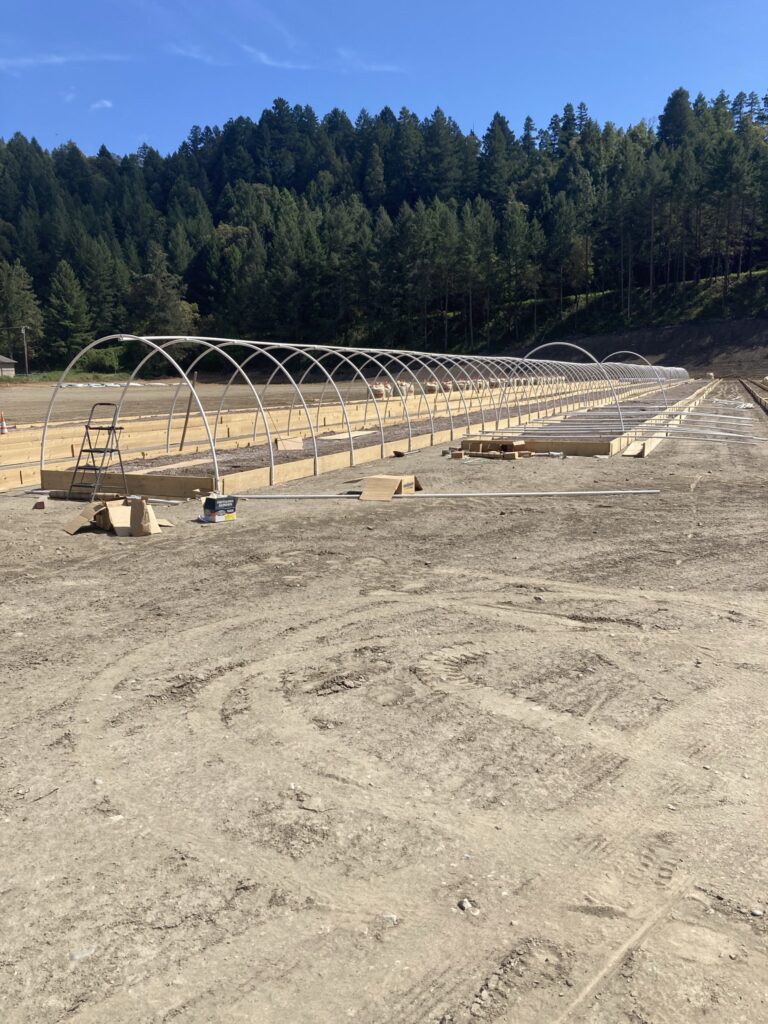
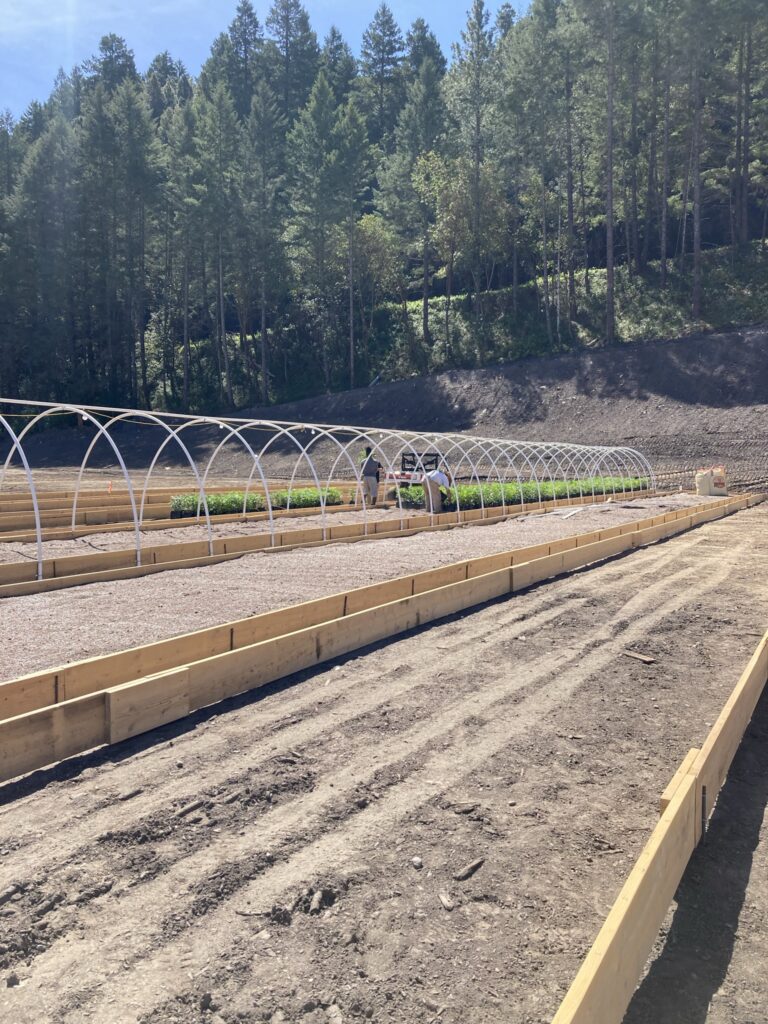
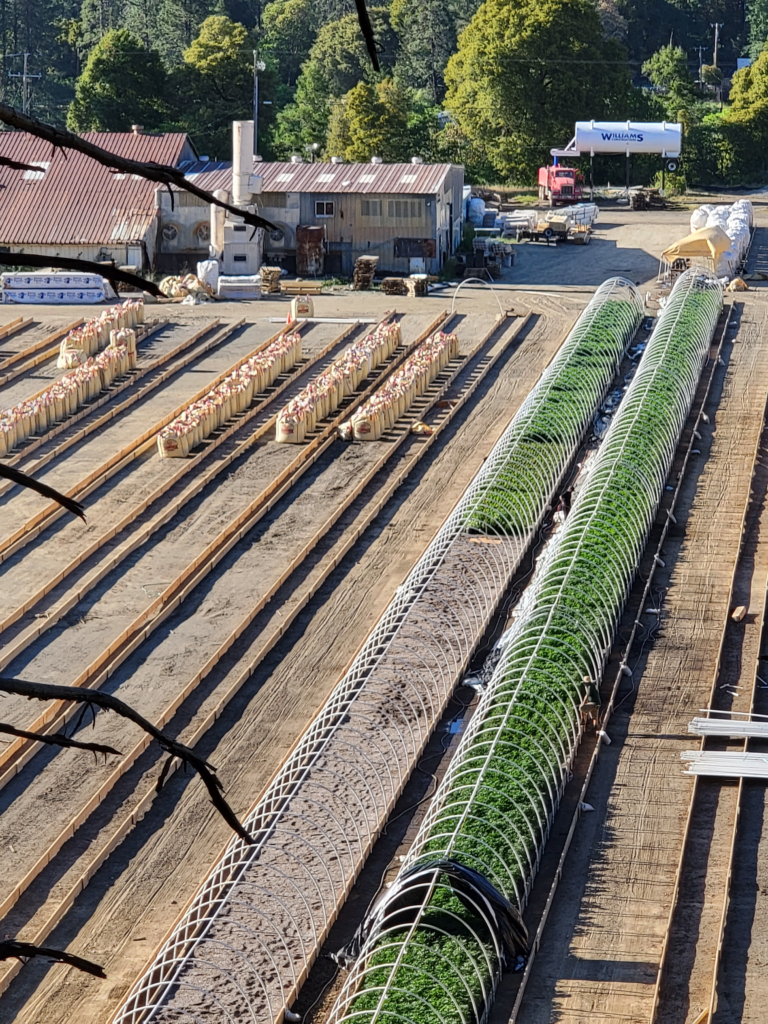
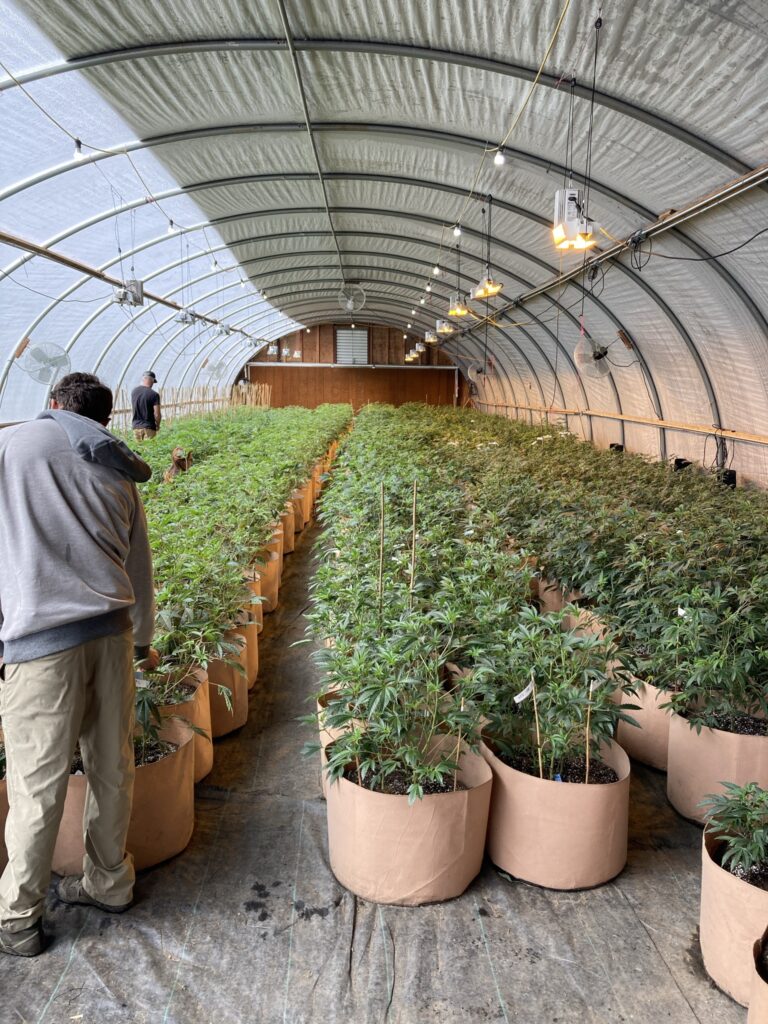
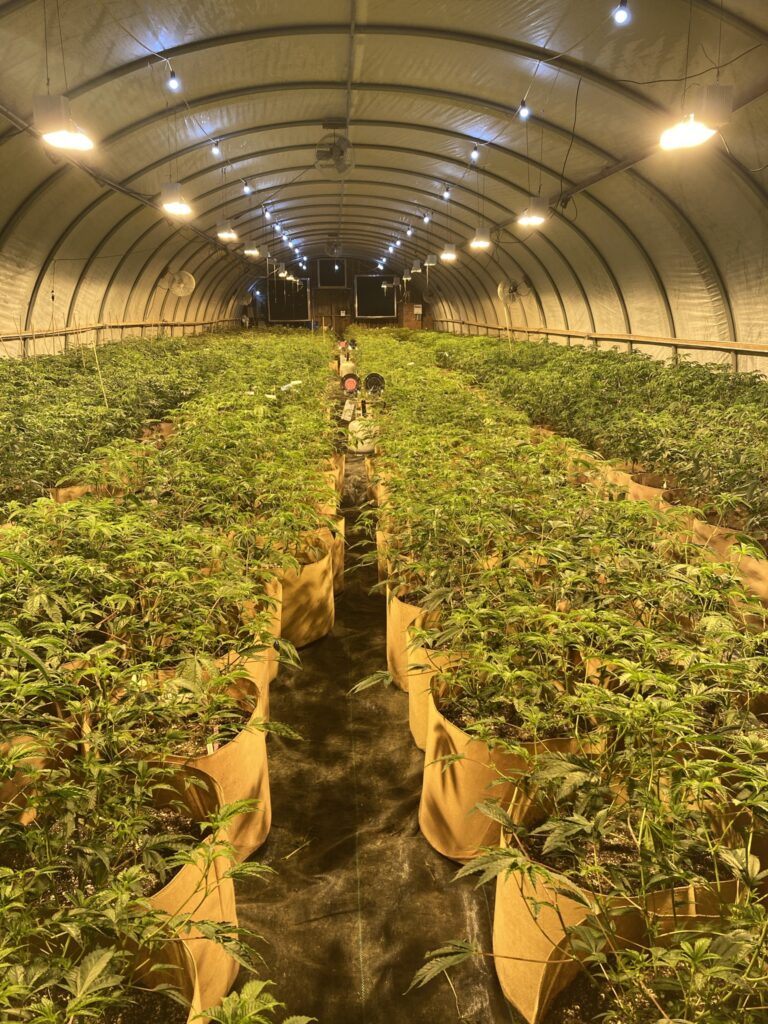
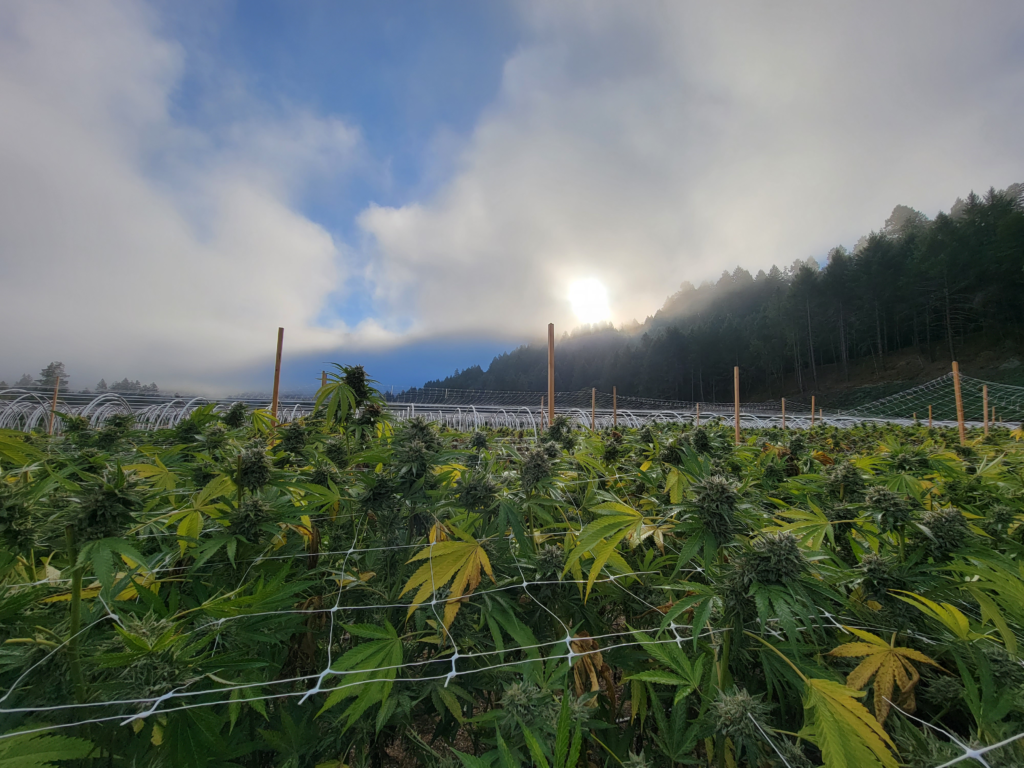
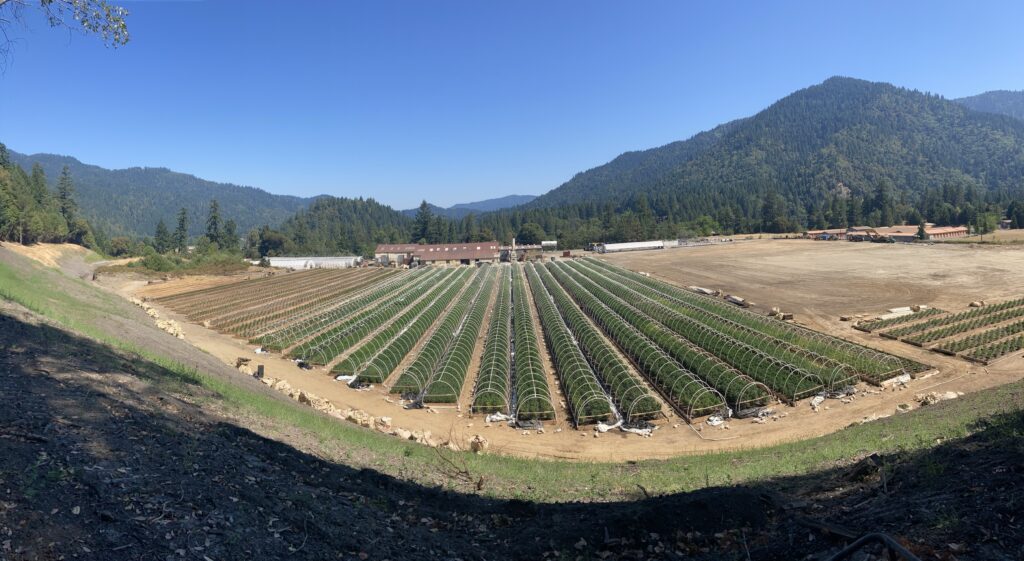
The cultivation facility ultimately consisted of four acres of mixed-light production distributed across twenty-four separate cultivation licenses.
Greenhouse lengths ranged from approximately 70 feet to over 450 feet, requiring a non conventional horizontal pulling of light deprivation tarps, irrigation infrastructure, and operational planning to maximize efficiency.
Commercial Nursery
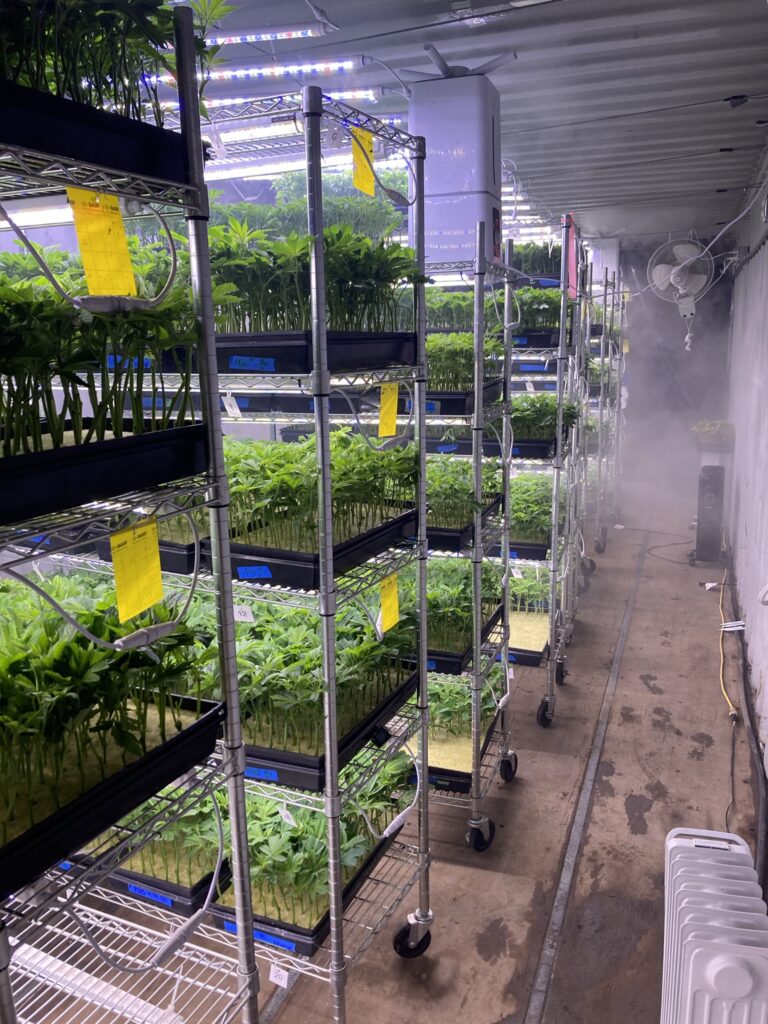
Building a Commercial Nursery System
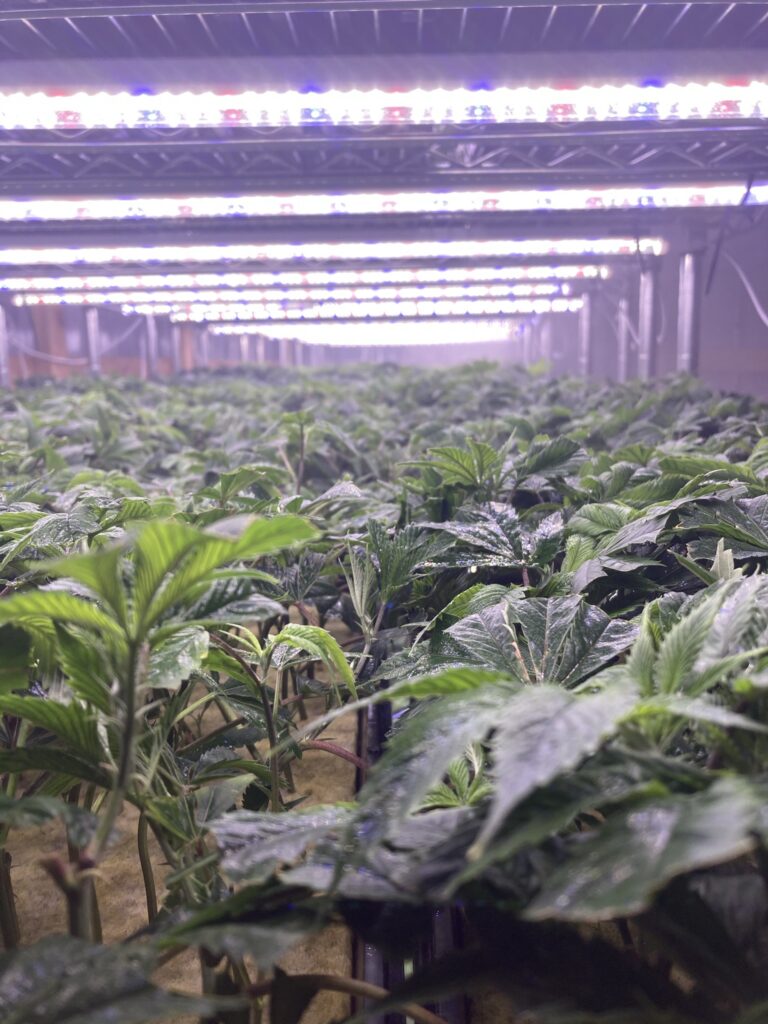
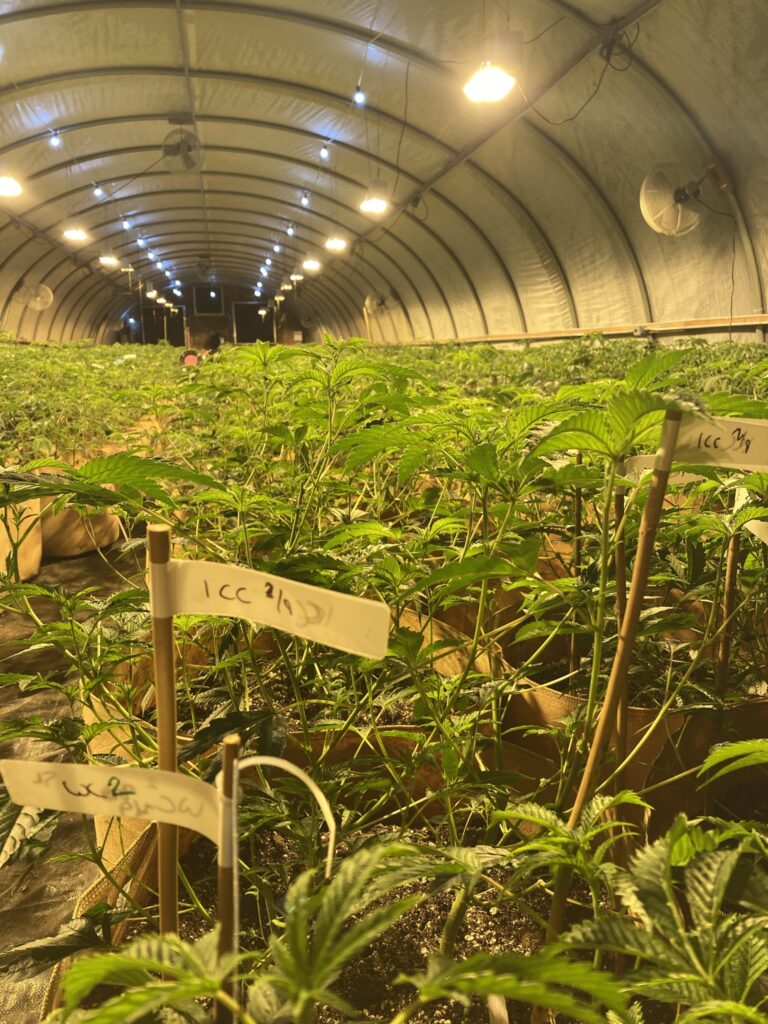
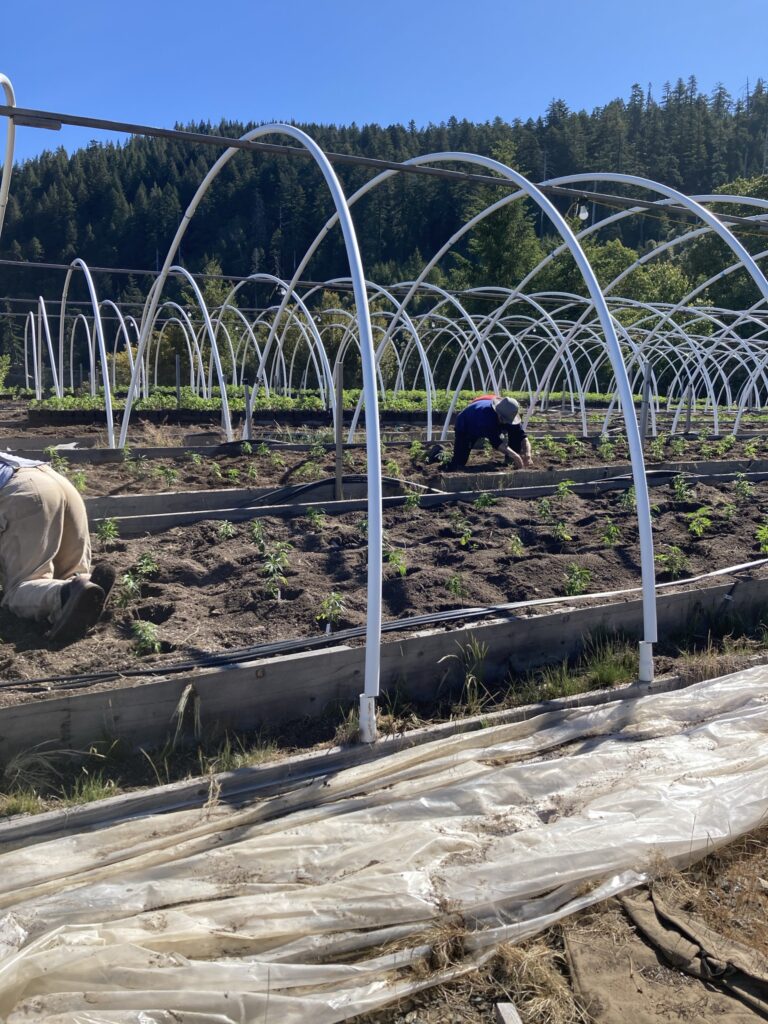
The Mill Site nursery operation supported not only the four-acre cultivation facility, but also several remote cultivation sites throughout Humboldt County.
The nursery produced approximately 150,000 clones annually and required multiple container-based propagation facilities, thousands of mother plants, and dedicated labor crews responsible solely for clone production and transplanting.
Operations
Commercial Cultivation Operations
Managing four acres of cultivation on a single property introduced logistical challenges that extended far beyond cultivation itself.
The operation required:
- employee recruitment and management
- labor housing
- irrigation management
- integrated pest management
- compliance oversight
- harvest logistics
- post-harvest processing
- METRC management
- inventory control
At this scale, cannabis cultivation became less about growing plants and more about managing systems.
Harvest/Post-Harvest
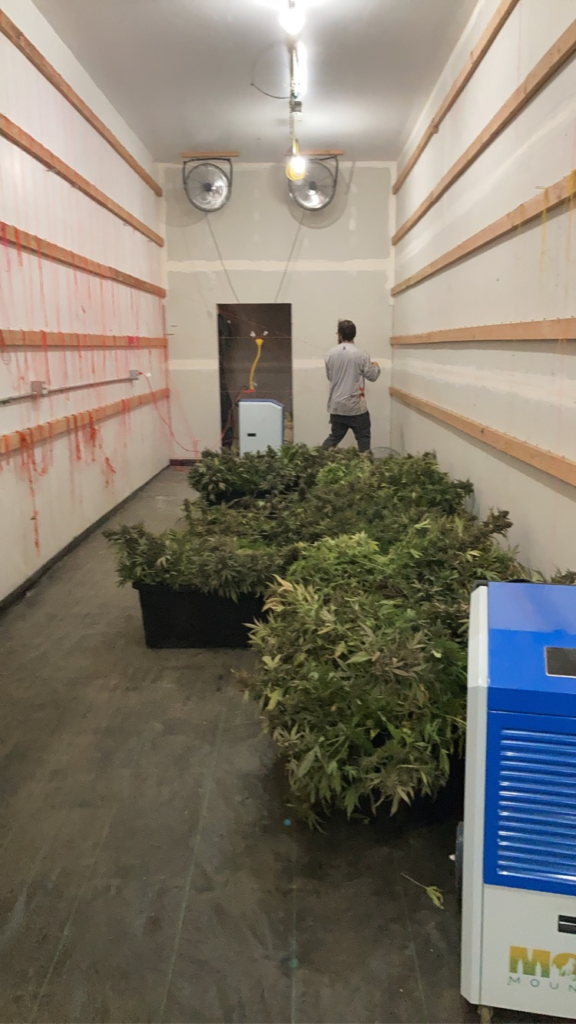
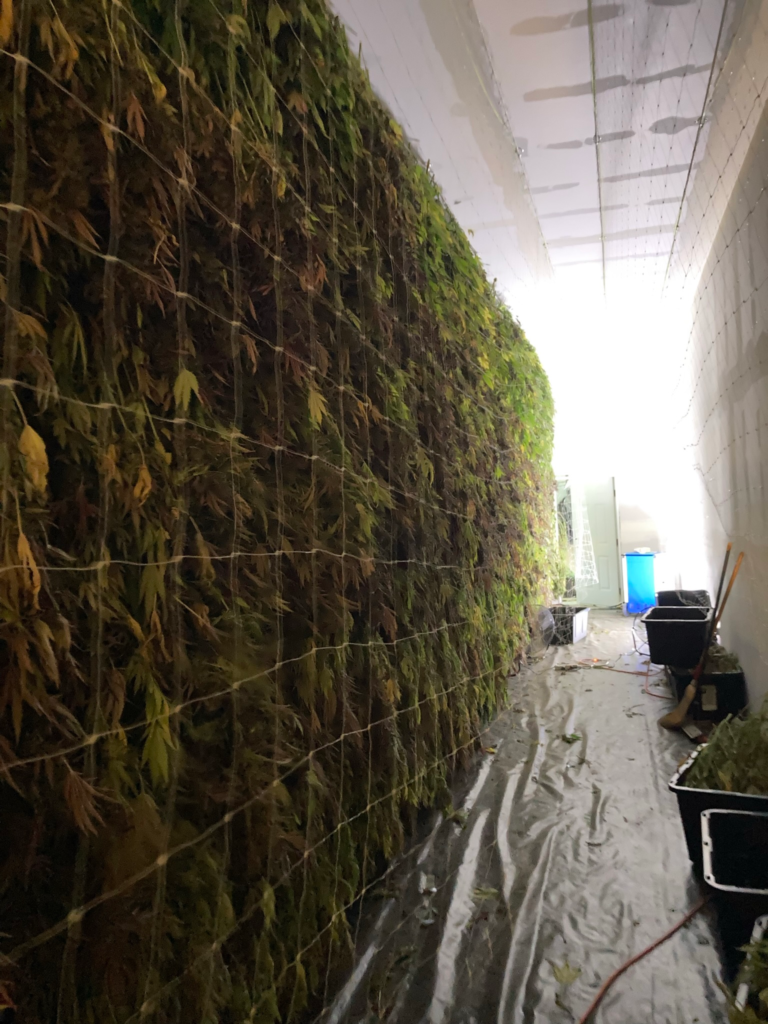
Harvest and Post-Harvest Operations
At peak production, the operation employed approximately 40–50 seasonal trimmers working continuously through harvest season.
Every harvest required:
- weighing
- tracking
- package creation
- quality control
- drying
- trimming
- storage
- compliance documentation
Maintaining organization throughout post-harvest operations was one of the largest challenges of the entire project.
The Market Collapse
Operating During the Collapse of the Humboldt Cannabis Market
The Mill Site project occurred during one of the most difficult periods in Humboldt County cannabis history.
During operation, wholesale flower prices declined dramatically, with some markets experiencing reductions of 50–60 percent. Despite these market conditions, the operation remained successful due to product quality, operational efficiency, and the ability to adapt quickly to changing market conditions.
This period ultimately marked the beginning of a major transformation within the Humboldt cannabis industry.
Lessons Learned
The Mill Site project demonstrated that large-scale cannabis cultivation is ultimately a systems management problem.
Success depends on coordinating:
- infrastructure
- compliance
- labor
- nursery production
- cultivation
- post-harvest operations
- logistics
- environmental compliance
The larger the operation becomes, the more important planning, organization, and adaptability become.
To this day, the Mill Site remains the largest and most challenging cannabis project I have ever been involved with, and the experience fundamentally shaped my understanding of commercial cannabis operations.