Secund Look provides METRC workflow development, inventory reconciliation support, standard operating procedures, employee training, startup planning, inspection readiness, and cannabis operations consulting for licensed Minnesota cannabis businesses.
Minnesota’s regulated adult-use cannabis industry is still developing, which gives new operators an opportunity to build organized compliance and inventory systems before inconsistent procedures become expensive operational problems.
Secund Look helps cultivators, manufacturers, microbusinesses, mezzobusinesses, wholesalers, transporters, retailers, testing facilities, and other licensed operators connect their physical activity to accurate records, internal inventory controls, and Minnesota’s statewide cannabis tracking requirements.
Support is based on more than 14 years of firsthand cannabis experience across commercial cultivation, nursery production, manufacturing, distribution, harvest operations, inventory management, employee training, facility development, regulatory compliance, and METRC administration.
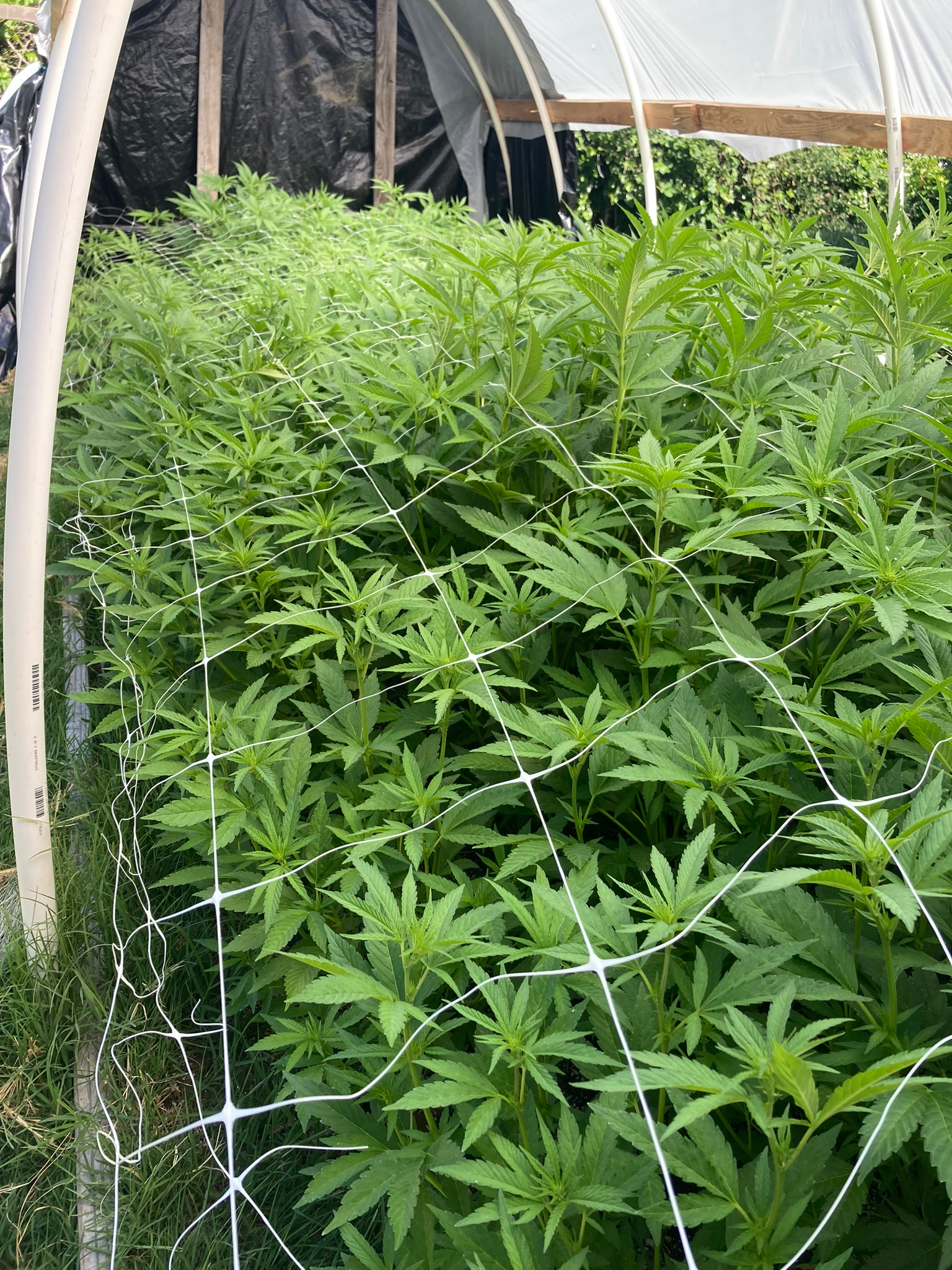
Minnesota Cannabis Compliance at a Glance
| Primary regulator | Minnesota Office of Cannabis Management |
| State track-and-trace platform | METRC statewide monitoring system |
| Primary service area | Remote consulting and operational support throughout Minnesota |
| Businesses supported | Cultivators, manufacturers, microbusinesses, mezzobusinesses, wholesalers, transporters, retailers, and testing facilities |
| Available support | Inventory systems, reconciliation, SOPs, training, startup planning, inspections, and operational workflows |
| Direct METRC account access | Must be structured according to Minnesota’s current employee, owner, administrator, and user-access requirements |
| Engagement options | Startup planning, project support, reconciliation, training, SOP development, or ongoing operational assistance |
Secund Look provides operational, administrative, and compliance-system support. Services do not replace legal advice from a qualified Minnesota cannabis attorney or official guidance from the Office of Cannabis Management.
Building Minnesota Cannabis Operations Correctly from the Beginning
Minnesota’s emerging cannabis market presents a different challenge from mature regulated states. Many businesses are not repairing systems that have existed for ten years. They are creating their inventory, employee, cultivation, manufacturing, and compliance procedures for the first time.
That is an advantage when the operation is designed carefully. It is much easier to build a reliable process before production begins than to reconstruct incomplete inventory records after plants, packages, employees, transfers, and production batches are already moving through the facility.
Operators should understand not only how to use METRC, but also how information reaches the system. Employees must know:
- Which activities must be documented
- Who is responsible for recording each activity
- When the information must be submitted
- How weights, quantities, inputs, outputs, waste, and transfers are verified
- Who reviews information before it becomes a permanent inventory record
- How discrepancies are investigated and documented
Good compliance does not begin with data entry. It begins with an operation capable of producing accurate information.
Minnesota METRC & Compliance Services
Services can be developed around one specific problem or structured as a broader compliance and operational support system.
METRC Readiness & Beginning Inventory Planning
Beginning inventory is one of the most important stages of a new regulated operation. Incorrect starting records can affect plant batches, packages, production inputs, transfers, sales, waste, and every later reconciliation.
- Beginning inventory preparation
- Plant-batch and package planning
- Tag-ordering and tag-management procedures
- Facility and inventory workflow planning
- Employee responsibility assignments
- Data-collection forms and internal reporting procedures
- Daily, weekly, and monthly compliance calendars
Daily Inventory & METRC Workflow Support
Minnesota businesses must maintain accurate inventory records through the statewide monitoring system. That requires reliable daily communication between the people performing physical work and the authorized people responsible for electronic records.
Workflow support may include:
- Daily activity-reporting procedures
- Plant and plant-batch information collection
- Harvest and production reporting systems
- Package creation and package-movement procedures
- Crop-input and cultivation record systems
- Manufacturing input and output records
- Transfer and manifest preparation workflows
- Receiving and inventory-verification procedures
- Waste and destruction documentation
- End-of-day inventory review procedures
Inventory Reconciliation & Discrepancy Investigation
Inventory discrepancies should not be treated as a simple software problem. A difference between physical inventory and system inventory may have originated during receiving, weighing, plant movement, harvest, production, packaging, transfer, sale, destruction, or employee reporting.
Secund Look can help operators investigate discrepancies by comparing physical counts, internal records, supporting documents, package histories, plant activity, production information, and authorized system records.
- Physical-to-system inventory comparisons
- Plant, harvest, and package-history review
- Receiving and transfer-document review
- Production input and output reconciliation
- Waste and loss documentation review
- Supporting-record organization
- Corrective-action planning
- Recurring verification schedules
Standard Operating Procedure Development
Minnesota cannabis businesses are expected to establish and maintain written operating procedures. Those procedures should match the operation’s actual license type, endorsements, employees, facility layout, production methods, equipment, software, and inventory responsibilities.
Secund Look develops procedures that connect physical work to the records required to demonstrate organized and compliant operations.
- Daily inventory and METRC reporting
- User access and account security
- Nursery and plant-batch management
- Individual plant tagging
- Crop-input documentation
- Harvest and post-harvest reporting
- Manufacturing and production batches
- Package creation and finishing
- Receiving and inventory acceptance
- Transfers and manifest verification
- Waste, loss, and destruction
- Inventory audits and discrepancy response
- Employee training and recordkeeping
Employee Training & Responsibility Systems
Employees do not all need the same system permissions, but everyone whose work affects inventory should understand how their responsibilities affect compliance records.
Training can help employees understand:
- What information they must collect
- When activity must be reported
- How to document weights, quantities, waste, and movement
- Why incomplete information creates inventory discrepancies
- How to follow the facility’s SOPs
- When to stop and request management review
Required official METRC training should still be completed through Minnesota and METRC’s approved training resources.
Inspection & Audit Readiness
A licensed business should be able to explain its inventory, demonstrate how records are created, identify responsible employees, produce current SOPs, and show that its physical activity matches its electronic records.
- Inventory-record review
- METRC workflow review
- Employee-access review
- SOP review and organization
- Training-record review
- Facility workflow assessment
- Mock compliance review
- Corrective-action planning
Important Minnesota Inventory Requirements
Minnesota has several operational requirements that deserve particular attention when building a compliance system.
End-of-Day Inventory Accuracy
Inventory information should not be allowed to accumulate indefinitely. Minnesota’s rules require businesses to update and ensure the accuracy of statewide monitoring-system inventory at the end of each business day.
This creates a need for consistent daily information collection, defined reporting deadlines, and a process for reviewing incomplete activity before the business closes its records for the day.
Employee and Owner System Users
Minnesota’s rules state that a cannabis business may designate its employees or owners as system users. Users must be trained and supervised by a system administrator, and businesses must maintain access records.
Because direct account access is regulated, any arrangement involving outside assistance should be structured carefully and confirmed against current Minnesota requirements. Secund Look can provide operational review, workflow development, reconciliation support, SOPs, data preparation, training, and other assistance without representing that an outside contractor automatically qualifies for direct system credentials.
Plant Batches and Individual Plant Tags
Minnesota distinguishes between immature plant batches and individually tagged plants. Plants generally begin in the system as immature plant batches, and individual tagging becomes necessary when plants exceed the state’s applicable size threshold.
Nursery and cultivation teams therefore need a dependable way to monitor plant size, maintain batch records, assign tags, and communicate plant changes before records become inaccurate.
Crop-Input Reporting
Crop-input applications are part of Minnesota’s tracking requirements. Cultivators should develop a system that connects actual applications in the cultivation area to accurate product, date, location, plant, batch, and employee records.
This makes organized IPM, pesticide, fertilizer, nutrient, and cultivation records especially important.
Theft and Loss Reporting
Minnesota establishes time-sensitive requirements for reporting theft or loss. Facilities should have an incident procedure that identifies who must be contacted, what information must be preserved, when law enforcement must be notified, and how related inventory records are handled.
Transfers and Shipping Manifests
Transport information and shipping manifests must be properly prepared before regulated products move. This applies not only to transfers between unrelated businesses but also to certain movements between facilities operated under the same licensed organization.
Sending and receiving teams need matching procedures for package verification, manifest review, vehicle and driver information, departure, arrival, acceptance, rejection, and discrepancy documentation.
Support by Minnesota License Type
Cannabis Cultivators
Cultivation operations generate continuous plant, harvest, crop-input, waste, employee, inventory, and environmental records. Support can help connect nursery production, plant movement, harvest scheduling, drying capacity, finished inventory, and employee reporting into one organized system.
- Plant-batch and individual-tag workflows
- Nursery production systems
- Crop-input and IPM documentation
- Plant movement and room-change procedures
- Harvest creation and weight tracking
- Waste and moisture-loss documentation
- Drying and post-harvest planning
- Daily inventory verification
Cannabis Manufacturers
Manufacturing operations must connect incoming source packages to production activity, yields, losses, finished products, testing, packaging, and final inventory.
- Source-package verification
- Production-batch documentation
- Input and output reconciliation
- Yield and loss documentation
- Finished-package creation
- Testing-status tracking
- Packaging and release procedures
Cannabis Microbusinesses
Microbusinesses may perform several cannabis activities within one organization. That flexibility also creates inventory complexity because cultivation, manufacturing, wholesale, delivery, or retail procedures must remain connected.
Secund Look can help develop one coordinated system rather than separate departmental procedures that fail to communicate with one another.
Cannabis Mezzobusinesses
Mezzobusinesses may operate across multiple activities depending on their approved endorsements. These businesses benefit from early workflow planning that defines how inventory moves between cultivation, production, wholesale, transport, and retail functions.
Wholesalers, Transporters & Delivery Services
Businesses involved in product movement need reliable procedures for package identification, receiving, manifests, chain of custody, storage, departure, arrival, acceptance, rejection, and inventory discrepancies.
- Manifest preparation and verification
- Package and quantity confirmation
- Vehicle and driver information
- Departure and arrival procedures
- Receiving and acceptance workflows
- Rejected or incomplete transfer procedures
- Interfacility movement controls
Retailers
Retail operations depend on accurate receiving, package inventory, point-of-sale coordination, sales information, returns, waste, internal audits, and employee procedures.
The inventory available inside the licensed premises should be explainable and supported by matching physical, point-of-sale, and statewide monitoring-system records.
Testing Facilities
Testing facilities require organized sample transfers, chain-of-custody records, test-result reporting, failed-test procedures, remediation records, and inventory controls.
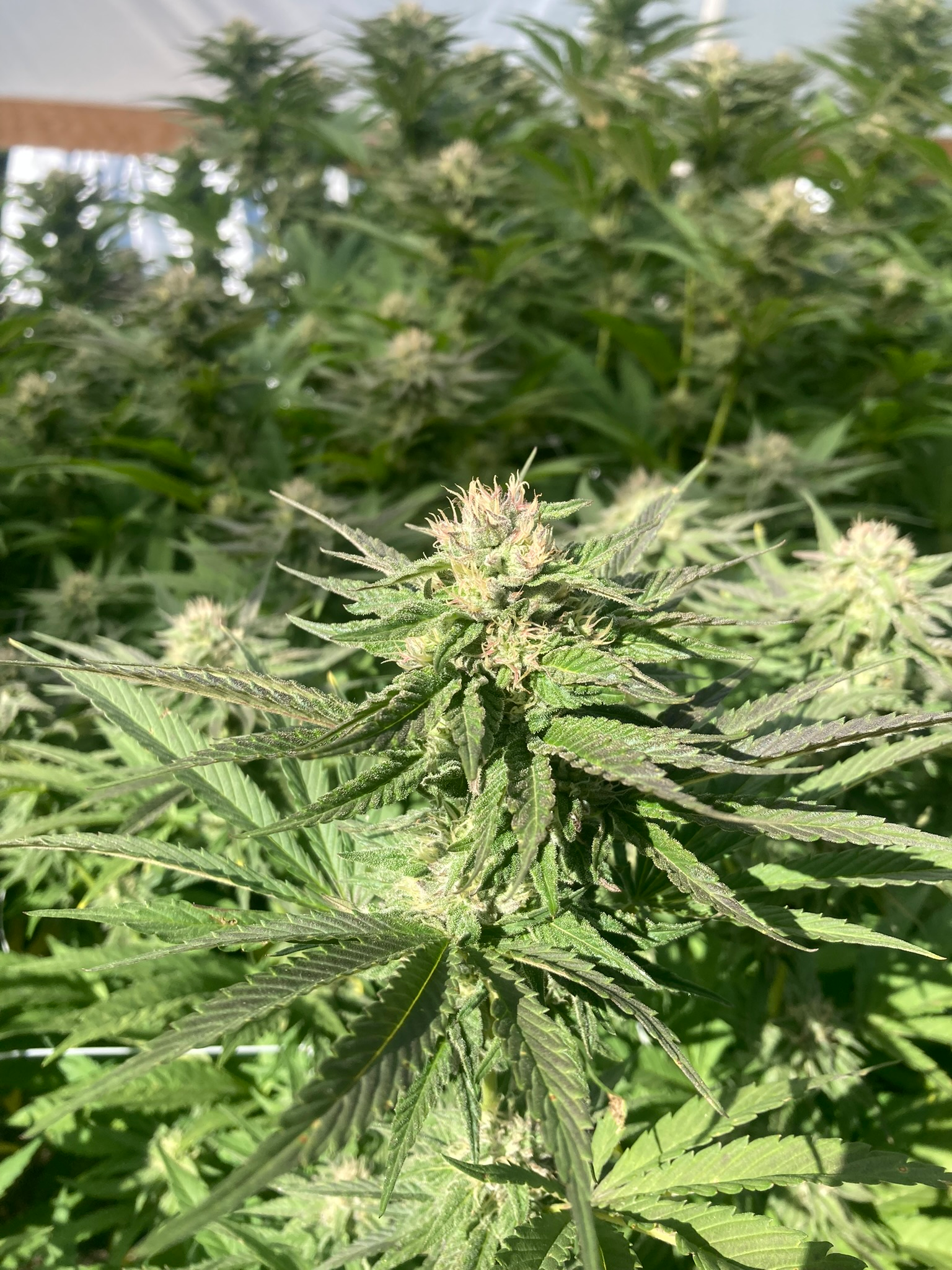
Operational Experience Behind the Service
Secund Look is not a software company or a general consulting firm learning cannabis entirely from regulations. The service is based on firsthand experience working inside commercial cannabis operations.
James Cook began working in Humboldt County cannabis in 2011 and developed experience across remote cultivation, large-scale greenhouse production, nursery systems, harvest operations, manufacturing, distribution, packaging compliance, facility development, employee management, inventory control, inspections, logistics, and METRC administration.
That background matters because many inventory problems begin outside the tracking platform:
- An employee moves a plant or package without reporting it.
- A crop input is applied without a complete record.
- A harvest is weighed differently by separate employees.
- Manufacturing inputs and outputs are not communicated accurately.
- A transfer is accepted before the receiving team verifies it.
- Waste is recorded differently by separate departments.
- An adjustment is considered before anyone investigates the cause.
Secund Look helps identify those operational gaps and develop procedures employees can consistently follow.
How Remote Minnesota Cannabis Support Works
Remote support requires an organized connection to the licensed facility. Secund Look can help the business build that connection without making assumptions about who qualifies for direct statewide monitoring-system credentials.
1. Operational Assessment
The first step is reviewing the license type, endorsements, facility, employees, physical inventory, internal software, production workflow, current records, and immediate compliance concerns.
2. Responsibility & Access Planning
The licensee identifies its authorized administrators and users in accordance with Minnesota requirements. Secund Look helps clarify responsibilities, permissions, review procedures, and communication expectations.
3. Information-Collection Workflow
Employees use agreed forms, spreadsheets, production records, photographs, reports, or integrated software to document physical activity. The system identifies what information is needed, who submits it, and when it must be available.
4. Inventory & Record Review
Authorized records are compared to physical and internal information. Missing, inconsistent, or unusual activity is investigated before it develops into a larger discrepancy.
5. Ongoing Improvement
Recurring errors are traced back to the physical process. Procedures, forms, employee responsibilities, and training are improved so the business becomes more reliable over time.
The objective is not to become permanently dependent on emergency corrections. The objective is to build a system that prevents the emergency.
Common Minnesota Cannabis Compliance Problems
- Beginning inventory is incomplete or poorly documented.
- Employees do not understand who reports physical activity.
- Daily records are delayed until information is difficult to reconstruct.
- Plant batches are not transitioned into individual tags consistently.
- Crop-input records are maintained separately from inventory activity.
- Physical inventory does not match electronic records.
- Production inputs and outputs cannot be reconciled.
- Transfers contain incomplete package or manifest information.
- SOPs were copied from another state or business and do not match the facility.
- Management discovers discrepancies shortly before an inspection.
- New employees inherit inconsistent procedures.
These problems are easier to address when they are identified early, documented carefully, and connected to the physical process that caused them.
Official Minnesota Cannabis Resources
Licensed Minnesota cannabis businesses should rely on current rules and guidance published by the Office of Cannabis Management, Minnesota Revisor of Statutes, and METRC. Requirements, guidance, and implementation procedures can change.
- Minnesota Office of Cannabis Management
- Minnesota Inventory Management and METRC Resources
- Minnesota Cannabis Rules, Chapter 9810
- Minnesota Track-and-Trace System Administration Rules
- Minnesota Inventory and Tracking Requirements
- Minnesota Cannabis Guidance Memos
- Minnesota Cannabis License Types
- Minnesota Application and License Holder Data
- METRC Minnesota Resources
External links are provided for convenience. Licensees should verify that they are reviewing the most current statutes, rules, guidance memos, METRC materials, and regulator instructions applicable to their license and endorsements.
Minnesota METRC Consulting FAQs
Can an outside consultant directly manage METRC for a Minnesota cannabis business?
Minnesota’s current rules state that system users may be employees or owners of the licensed cannabis business. Any direct account-access arrangement must comply with the current administrator, user, employment, training, supervision, and credential requirements established by the state.
Secund Look can still provide substantial remote support through operational assessments, SOP development, inventory reconciliation, record preparation, employee training, workflow design, compliance calendars, and assistance to the licensee’s authorized administrators and users.
Does Minnesota require daily inventory updates?
Minnesota requires a cannabis business to update and ensure the accuracy of its statewide monitoring-system inventory at the end of each business day. Businesses should therefore build dependable daily information-collection and review procedures rather than relying on occasional cleanup.
Can Secund Look help establish beginning inventory?
Yes. Support can include physical inventory preparation, plant-batch and package planning, tag-management procedures, employee responsibilities, internal data-collection systems, and review of beginning-inventory documentation before authorized information is entered.
Can Secund Look reconcile existing inventory problems?
Secund Look can compare physical inventory, production records, internal software, supporting documentation, transfers, plant histories, packages, and authorized system records to identify likely causes of discrepancies and develop an organized corrective process.
Corrections should be based on verified information and handled in accordance with current Minnesota requirements. Unsupported adjustments should not replace an investigation.
Can you help before our Minnesota business opens?
Yes. Pre-opening support can include inventory workflow design, beginning inventory preparation, plant and package procedures, employee responsibilities, SOP development, training systems, receiving, production, waste, transfer, and compliance calendars.
Can you help a Minnesota microbusiness?
Yes. Microbusinesses are particularly well suited to operational consulting because they may perform multiple activities while operating with a relatively small team. Secund Look can help connect cultivation, manufacturing, distribution, delivery, or retail activity into one coordinated system.
Can you train our employees?
Yes. Training can focus on the physical information employees must collect, how their work affects inventory, how to follow facility SOPs, and when to escalate incomplete or unusual activity. Official METRC training must still be completed through the applicable Minnesota and METRC resources.
Do you provide legal advice?
No. Secund Look provides operational, administrative, inventory, training, and compliance-system support. Questions requiring legal interpretation should be directed to a qualified Minnesota cannabis attorney.

Discuss Minnesota Cannabis Compliance & Operations Support
Whether your Minnesota business is preparing to open, establishing beginning inventory, developing SOPs, training employees, organizing daily reporting, reconciling discrepancies, or preparing for an inspection, Secund Look can help develop a practical path forward.
Remote consulting and operational support are available throughout Minnesota. Engagements can be structured around startup planning, a specific inventory problem, employee training, system development, reconciliation, compliance preparation, or recurring operational assistance.